How To Know When Your Windshield Needs Replacement
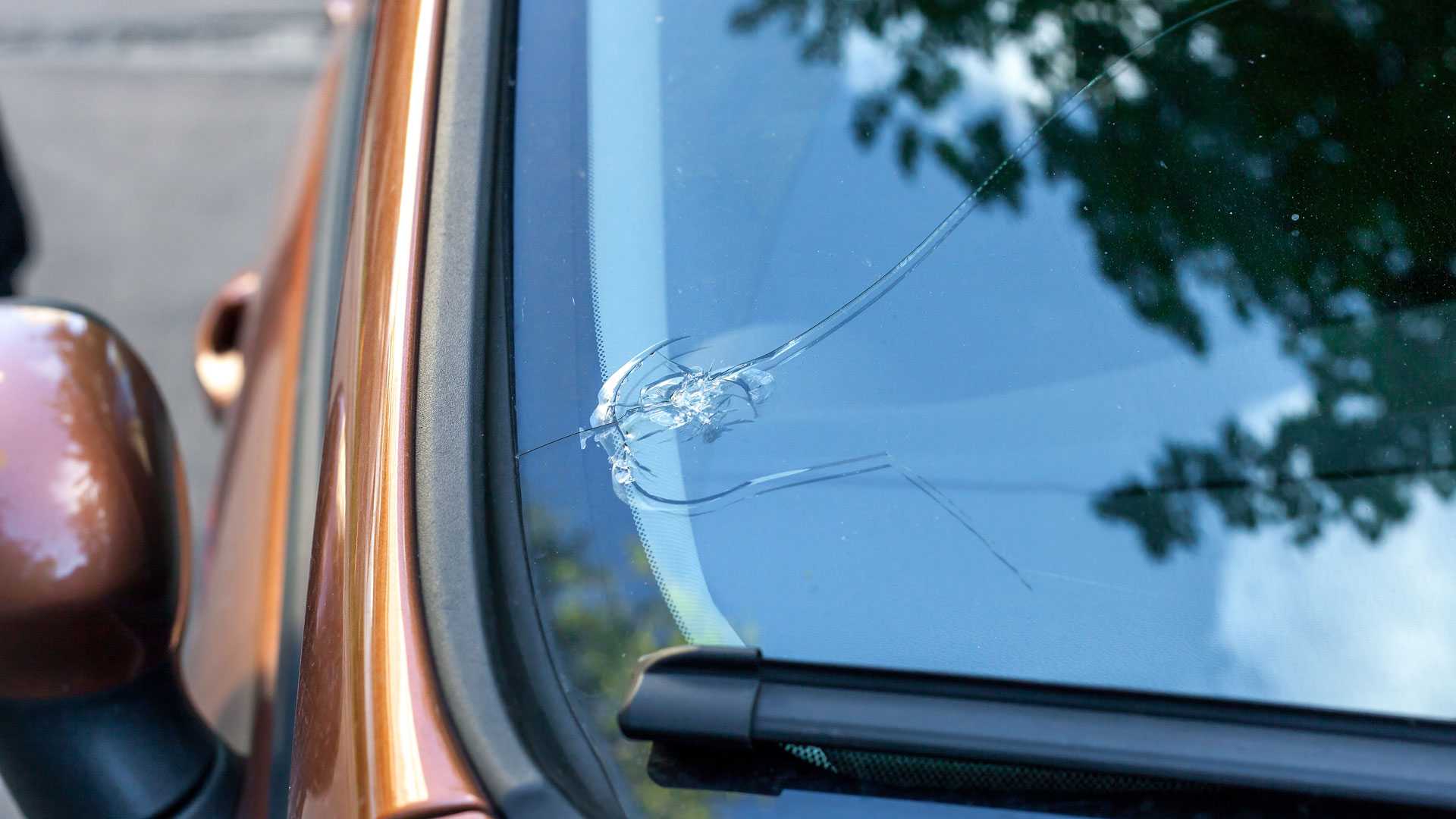
Your windshield is more than just a window; it’s a vital safety feature that protects you and your passengers. Recognizing when it needs replacing can save you from dangerous driving conditions and costly repairs. If your windshield has large cracks, chips that spread, or if visibility is compromised, it’s time for a replacement. Small chips can often be repaired if caught early, but extensive damage usually means a full replacement is necessary.
In short, look out for large or spreading cracks, chips in your line of sight, or any signs that compromise structural integrity. Regularly inspecting your windshield for damage can prevent accidents and keep your driving safe. Knowing the right time to replace it ensures you stay protected on the road and avoid unexpected breakdowns.

How to Know When Your Windshield Needs Replacement
Understanding the Importance of a Clear Windshield
A good windshield is essential for safe driving. It protects you from wind, debris, and insects, and supports the structural integrity of your vehicle. Recognizing signs that your windshield is damaged helps prevent further problems and keeps you safe on the road.
Common Signs That Indicate Your Windshield Needs Replacement
Not all damage is obvious. Some issues can be small but become major safety hazards later. Regularly inspecting your windshield is key to catching problems early.
Cracks and Chips
Cracks can vary in size and shape, but even small ones can worsen over time. Chips usually look like small dents or holes caused by stones or debris. If these are left untreated, they may expand, impair visibility, or compromise the windshield’s strength.
Splits and Long Cracks
Cracks longer than six inches generally require replacement. They tend to spread quickly, especially with temperature changes or vibrations while driving. A split that crosses the entire windshield is a clear sign you need a new one.
Discoloration or Foggy Appearance
A windshield should be transparent. When you notice a yellowish or hazy tint, it may indicate damage to the glass or internal layers. This reduces visibility and may be unsafe in bad weather or at night.
Distorted Vision
If your view appears warped or blurry, it’s a warning sign. This distortion may result from internal damage or delamination, making it risky to drive.
Damage in Critical Areas
Cracks or chips located in the driver’s line of sight are more dangerous. They can distract you or impede your view, increasing the risk of accidents.
Assessing the Size and Location of Damage
The size and position of damage influence whether you can repair or must replace the windshield. Small chips less than 1/2 inch typically can be repaired if they are not in the driver’s line of sight.
Damage in the Driver’s Line of Sight
Any crack or chip that blocks or distorts the view directly in front of the driver should be taken seriously. Repairing might not restore clarity, so replacement is often necessary.
Size Thresholds for Repair and Replacement
Most experts recommend repair if cracks are less than 3 inches long. Larger damages usually require full replacement to ensure safety and prevent further spreading.
Factors That Accelerate Windshield Damage
Certain conditions make damage worse faster, which can influence your decision to replace your windshield.
Temperature Fluctuations
Sudden changes from hot to cold can cause existing cracks to expand quickly. This is especially true in winter or hot climates.
Vibration and Road Conditions
Rough roads or frequent bumps can cause small chips to grow into larger cracks. Continuous stress weakens the glass over time.
Sun Exposure
UV rays weaken the adhesive securing the glass, increasing the risk of delamination or cracking.
Visual Inspection: How to Check Your Windshield
Regular visual checks can save you from unexpected problems. Follow these simple steps for a thorough inspection:
- Look for cracks, chips, or splits on the surface.
- Check for discoloration, haziness, or foggy areas.
- Inspect the edges of the windshield for lifting or separation.
- Identify any signs of moisture or condensation inside the glass layers.
- Test for distortion by looking at nearby objects and noticing if they appear warped.
Professional Inspection and When to Seek Help
If you notice damage, consulting a professional ensures proper evaluation. Experts can determine if your windshield is repairable or needs replacement.
Benefits of Professional Inspection
Professionals use specialized tools to examine subtle damages invisible to the naked eye. They can assess the risk of cracks spreading or delamination occurring.
When to Schedule a Replacement
Replace your windshield if damage covers a large area, is in critical zones, or if repairs won’t restore safety. Timely replacement helps avoid legal issues or fines in some regions.
Legal and Safety Considerations
Driving with a compromised windshield can be illegal and dangerous. Many jurisdictions have laws about windshield damage and mandatory replacements.
Legal Limits on Damage
Most areas restrict cracked areas to less than 1/4 inch in radius if they do not obstruct the driver’s line of sight. Exceeding these limits typically requires replacement.
Safety Risks of Ignoring Damage
A damaged windshield can shatter upon impact or during an accident, leading to injuries. It also affects the airbag system’s effectiveness and vehicle stability.
Maintaining Your Windshield to Prevent Damage
Prevention prolongs the life of your windshield. Here are tips to keep it in good shape:

Similar Posts