Can You Get A Ticket For Cracked Windshield Effectively
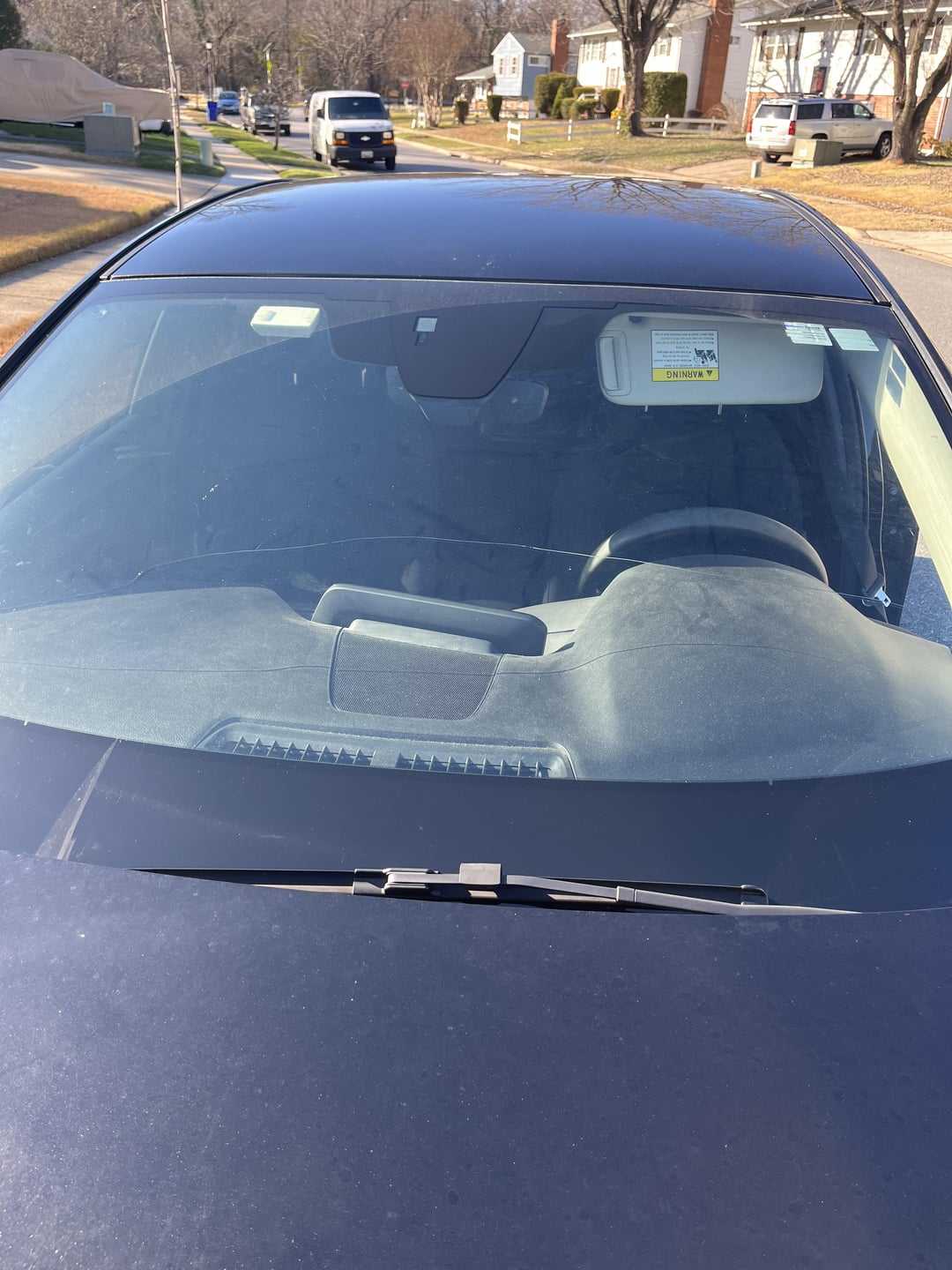
Yes, you can receive a ticket for driving with a cracked windshield, especially if it impairs your view or violates safety regulations. Law enforcement agencies prioritize road safety and may issue citations if your vehicle is deemed unsafe to operate due to windshield damage.
A cracked windshield can lead to a ticket if it obstructs your vision or compromises the structural integrity of your vehicle. However, the likelihood of a ticket varies depending on the severity of the crack and local laws. Generally, minor chips that don’t impair visibility are less likely to result in penalties, but it’s always better to repair or replace a damaged windshield promptly to avoid fines or safety issues.
Driving with a cracked windshield is more common than many realize, but it can be a legal concern. If a police officer notices a crack that impairs your line of sight or poses safety hazards, they’re within their rights to issue a ticket or even require repairs before you continue your journey. It’s important to be aware of your local regulations, as some areas have strict rules about windshield condition, while others may be more lenient. Addressing cracks early not only helps you avoid potential fines but also ensures your safety on the road.

Can You Get a Ticket for Cracked Windshield?
Understanding Traffic Laws and Windshield Damage
Many drivers wonder if a cracked windshield can lead to a ticket or fine. Laws about windshield damage vary by state, but generally, safety is the main concern. Authorities want to ensure drivers have clear visibility and undamaged safety glass.
In most regions, a cracked windshield can be a reason for a traffic stop. Officers might issue a ticket if they see the crack affects the driver’s ability to see clearly. Not all cracks lead to tickets but knowing the rules helps prevent surprises.
When Is a Crack Considered a Traffic Violation?
A crack turns into a violation when it compromises road safety. For example, a crack that blocks the driver’s view or extends into the area swept by the windshield wipers can be illegal.
Laws may define specific criteria such as:
- The size of the crack (often a certain length)
- The location of the crack (such as within the driver’s line of sight)
- The type of damage (chip, bullseye, star break)
If your crack meets these criteria, you risk getting a ticket even if your car is otherwise in good shape.
State-by-State Variations
Different states have their own rules about windshield cracks. Some, like California and New York, have strict regulations requiring damaged windshields to be fixed or replaced. Others may be more lenient if the crack is minor or outside the driver’s line of sight.
Check your state’s Department of Motor Vehicles (DMV) website to understand local laws. In some states, you might avoid a ticket if the crack is less than a certain size, such as 6 inches.
How Law Enforcement Looks at Cracks During Traffic Stops
Police officers are trained to look for safety issues during stops. If they notice a large or obstructive crack, they can pull the driver over and issue a fix-it ticket.
Sometimes, officers will check the crack’s location and size before deciding whether to give a ticket. If the damage is minor and not a safety concern, you may receive a warning instead of a fine.
Potential Penalties for Driving with a Cracked Windshield
Getting caught with a cracked windshield can lead to various penalties, including:
- Fines, which can range from $50 to $200 or more
- Points added to your driving record
- Mandatory repairs before your vehicle can be driven again
- Possible vehicle inspection requirements
Some states may also require proof of repair before the car can pass inspection or avoid further penalties.
Can You Be Ticketed for a Small Crack or Chip?
Many minor damages like small chips or tiny cracks usually do not lead to tickets if they are outside the driver’s line of sight.
However, if a tiny crack is in a critical area, it might become a concern during an inspection or repair. It’s always safer to fix small damages before they grow or cause issues.
Is a Cracked Windshield an Immediate Safety Concern?
A crack that impairs the driver’s vision or weakens the windshield’s structure can be dangerous.
If a crack spreads quickly or is in the driver’s direct line of sight, it can be unsafe. In these cases, law enforcement might take stricter action, including issuing a ticket or ordering repairs.
How to Avoid Tickets for Cracked Windshields
To stay clear of legal trouble:
- Regularly inspect your windshield for cracks and chips
- Repair small damages promptly using DIY kits or professional services
- Replace the windshield if the crack is large or near the edges
- Keep your vehicle in good condition to pass safety inspections
Preemptively fixing cracks not only helps stay legal but also improves your safety on the road.
Repair Options and Legal Requirements
You can address cracks through various methods:
- Visit a professional auto glass repair shop for safe and effective repairs
- Use DIY repair kits, suitable for small chips and cracks
- Replace the entire windshield if damage is extensive
Be aware of your state’s repair and replacement laws, which may specify when a full replacement is mandatory.
Should You Drive with a Cracked Windshield?
Driving with a crack can be risky, especially if it worsens or obstructs your view. Many experts recommend fixing minor damages as soon as possible.
If the crack is large, in the driver’s line of sight, or spreading, it is safer to avoid driving until repaired. Staying proactive helps prevent tickets and ensures your safety.

Similar Posts