Can Heat Crack Your Windshield: What You Need To Know
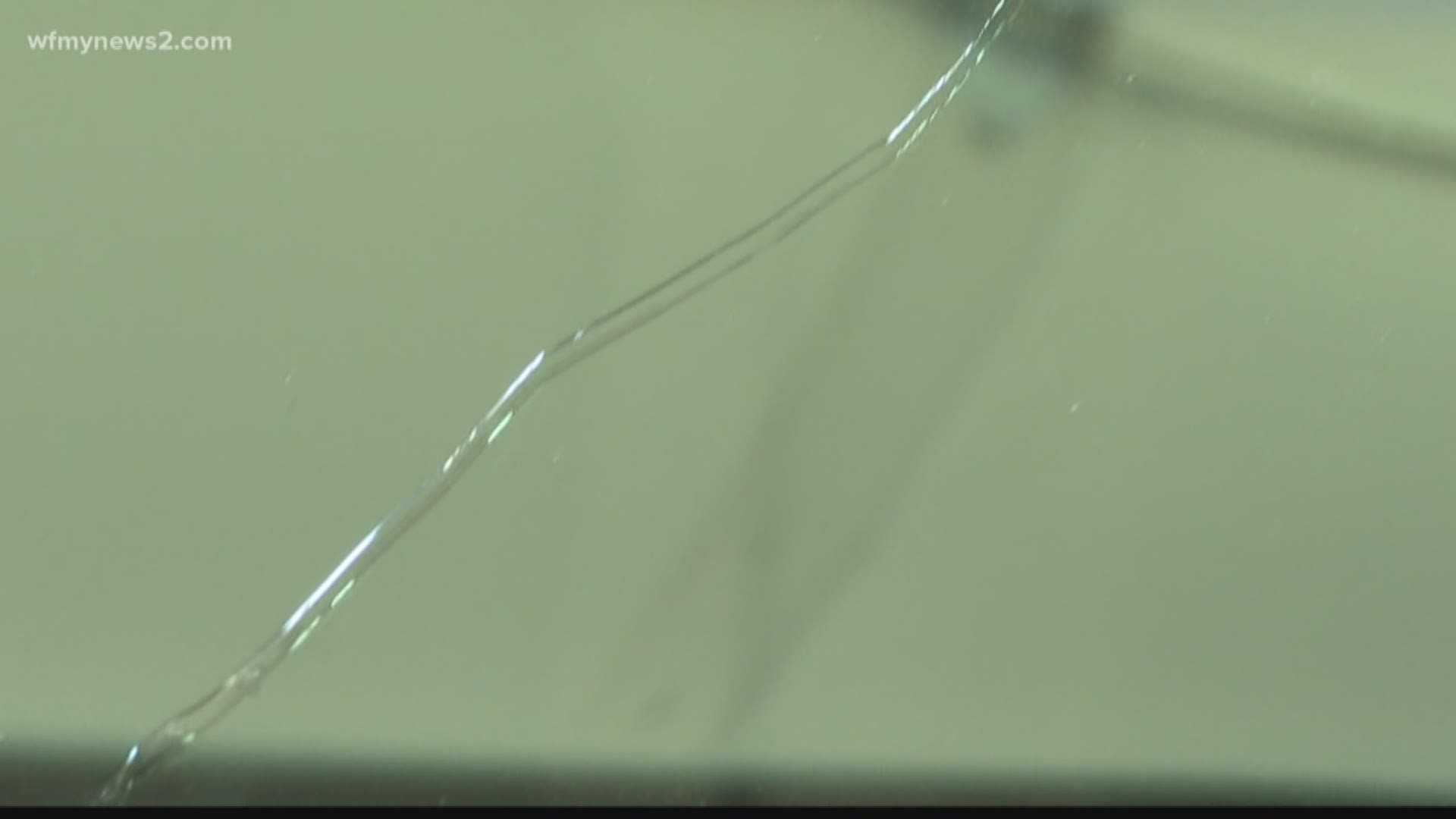
Yes, applying excessive heat can crack your windshield. Rapid temperature changes cause the glass to expand or contract unevenly, leading to stress and potential cracking.
Heat can indeed crack your windshield, especially if the glass is already compromised or if the temperature change is sudden. When you blast hot air directly on a cold windshield or leave your car in intense sunlight with the windows closed, the uneven expansion can create stress fractures. This risk increases during cold weather, when a quick blast of hot air from the defroster or heater hits a chilled glass. Understanding how temperature impacts windshield integrity is essential to avoid costly repairs or replacements. Being cautious about how and when you heat your car’s glass can save you from unexpected cracks and ensure your driving safety.

Can Heat Crack Your Windshield? Exploring the Risks and Causes
Understanding How Heat Affects Your Windshield
Heat plays a significant role in the health of your vehicle’s windshield. When temperatures rise, materials expand, including the glass of your windshield. This expansion can sometimes lead to cracks, especially if the glass is already weakened or has existing damage.
Extra heat from the sun can cause the glass to stretch unevenly, leading to stress points that might develop into cracks. It is important to understand that not all heat exposure will crack your windshield immediately, but prolonged or intense heat can contribute to damage over time.
Why Does Heat Cause Windshield Cracks?
Several factors explain why heat might cause cracks in your windshield. First, **thermal expansion** occurs when glass heats up and expands. If the glass’s expansion is uneven, it can generate stress.
Second, **pre-existing chips or cracks** weaken the glass, making it more susceptible to cracking under heat stress. Heat can cause small flaws to grow larger, eventually resulting in a visible crack.
Third, **rapid temperature changes**—for example, pouring cold water on a hot windshield—can cause the glass to contract quickly. This sudden change increases the risk of cracking due to thermal shock.
Types of Cracks Caused by Heat
Different cracks can form due to heat exposure, and each comes with unique characteristics.
- Stress Cracks: These appear as small, spiderweb-like cracks that radiate from a point of stress. They are often caused by uneven heating or cooling.
- Spider Cracks: Similar to stress cracks but larger, these cracks spread out like spider legs from a central point, typically caused by rapid temperature fluctuations.
- Longitudinal Cracks: These cracks run parallel to the length of the windshield, usually caused by consistent heat exposure along a particular area.
Recognizing these types is essential for determining whether your windshield has been compromised by heat.
How Temperature Fluctuations Accelerate Damage
Temperature changes are a key factor in windshield cracking. When a glass is heated unevenly, parts of it expand at different rates, adding tension to the structure.
For example, if the interior of your car is cooler than the exterior sun-heated surface, the glass experiences **thermal stress**. This stress can lead to microscopic cracks expanding into larger fractures over time.
Sudden cooling, such as pouring cold water over a hot windshield, causes the glass to contract quickly. This thermal shock can create or deepen cracks unexpectedly.
Can Leaving Your Car in the Sun Cause Cracks?
Leaving your car parked under direct sun increases the chance of your windshield cracking due to heat. The sun’s rays cause the glass to heat rapidly, especially in hot climates.
The interior temperature of your car can soar beyond the outside temperature, intensifying the risk. Drivers should be cautious about leaving their vehicle exposed for extended periods in direct sunlight.
Using windshield shades or parking in shaded areas can mitigate this risk by reducing heat build-up.
Does Using the Defroster or Air Conditioning Affect the Windshield?
Indoor climate control can also influence the stresses on your windshield. Turning on the defroster or heater too quickly on a cold day can cause uneven temperature shifts.
Similarly, high-powered air conditioning when starting your car can create rapid cooling of the glass. Both actions might increase the likelihood of stress cracks, especially if the windshield already has minor chips or flaws.
Gradually warming or cooling the car can help prevent damage due to sudden thermal changes.
How to Prevent Your Windshield from Cracking Due to Heat
Prevention is key to avoiding heat-related cracks. Here are some tips to protect your windshield from excessive heat stress:
- Park in shaded areas whenever possible to keep the temperature down.
- Use a windshield sunshade to reflect sunlight away from the glass.
- Avoid pouring cold liquids on a hot windshield to prevent thermal shock.
- Allow your vehicle to warm up or cool down gradually, especially in extreme weather.
- Inspect your windshield regularly for small chips or cracks that could worsen in the heat.
- Keep your windshield clean and free of debris to prevent stress points from forming.
Consistent care and attention can significantly decrease the likelihood of heat-induced cracks developing or worsening.
Signs Your Windshield Is at Risk
Knowing the warning signs can help you address issues early. Common indicators include:
- Small chips or pitting that might expand over time.
- Visible cracks that seem to grow larger during hot days.
- Spiderweb pattern cracks appearing suddenly on hot mornings.
- Uneven heating marks or discoloration on the glass surface.
Addressing these signs promptly can prevent minor flaws from turning into full-blown cracks.
Importance of Timely Repairs and Replacements
If you notice cracks caused or worsened by heat, consulting a professional quickly is vital. Small cracks can often be repaired if caught early, saving you money and avoiding windshield replacement.
However, larger, more extensive cracks may require full replacement to ensure your safety. Keep in mind that driving with a compromised windshield can impair visibility and compromise structural integrity during accidents.

Similar Posts