Author: Alex

Avatar photo

Alex is the creator and lead writer of CarGlassFix.com, where he shares practical tips, guides, and product reviews focused on car glass care, repair, and safety. A lifelong car enthusiast with years of hands-on experience in auto maintenance, Alex has tested countless windshield repair kits, anti-fog treatments, and cleaning methods to give drivers advice they can trust.

To effectively reduce noise in laminated glass, consider adding acoustic interlayers, upgrading to thicker glass, or installing specialized soundproofing films. These methods can significantly diminish the transmission of sound, making your space much quieter and more comfortable. Laminated glass is a popular choice for many because of its safety and durability, but noise reduction often remains a concern for homeowners and businesses alike. Luckily, there are straightforward solutions to enhance its soundproofing qualities. By incorporating acoustic layers or opting for thicker panels, you can cut down on unwanted noise from outside. Additional innovations like soundproof films or specialized glazing treatments…

Read More

To tint laminated glass effectively, start by cleaning the surface thoroughly, then apply a high-quality window film with smooth, even strokes, ensuring there are no air bubbles. Using a professional-grade tinting kit can make the process seamless and long-lasting. For a DIY project, patience and attention to detail are key to achieving a sleek, uniform look that enhances privacy and reduces glare. Laminated glass can be tinted to improve privacy, control heat, and add aesthetic appeal. The process involves selecting the right type of film, cleaning the glass thoroughly, and carefully applying the tint to avoid bubbles or creases. Whether…

Read More

To effectively seal laminated glass edges, start by thoroughly cleaning the edges to remove any dirt or debris, then apply a high-quality silicone sealant designed for glass. Use a precise applicator to ensure an even, smooth bead along the perimeter, and smooth it out with a silicone spatula or finger dipped in soapy water. Allow the sealant to cure completely before handling the glass to ensure a durable, waterproof seal. Sealing laminated glass edges is essential for preventing moisture ingress, enhancing safety, and prolonging the life of the glass. The process involves proper surface preparation, choosing the right sealant, and…

Read More

To recycle laminated glass, carefully separate the layers of glass and plastic, then check with your local recycling center to see if they accept it. You can also consider specialized recycling facilities that handle such materials, ensuring it’s properly processed instead of ending up in a landfill. Recycling laminated glass helps reduce waste and conserves resources, but it requires some initial preparation to ensure it’s recyclable. Laminated glass, often used in car windshields and windows, is a bit tricky to recycle due to its layered structure. However, with the right steps—like safely removing the plastic interlayer and finding the proper…

Read More

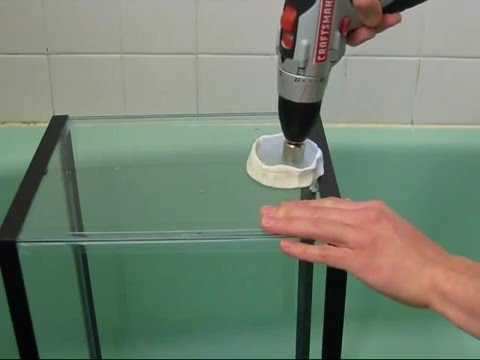
To drill laminated glass safely and effectively, start with a sharp, carbide-tipped drill bit and use slow, steady pressure while keeping the glass moist with water. This prevents overheating and reduces the risk of cracking. Patience and precision are key—rushing can cause the glass to shatter, so work carefully and take your time. Drilling laminated glass requires the right tools and technique to avoid damage. Begin by marking your drilling spot clearly, then secure the glass firmly to prevent movement. Use a low drill speed and apply gentle pressure, constantly cooling the bit with water to minimize heat buildup. With…

Read More

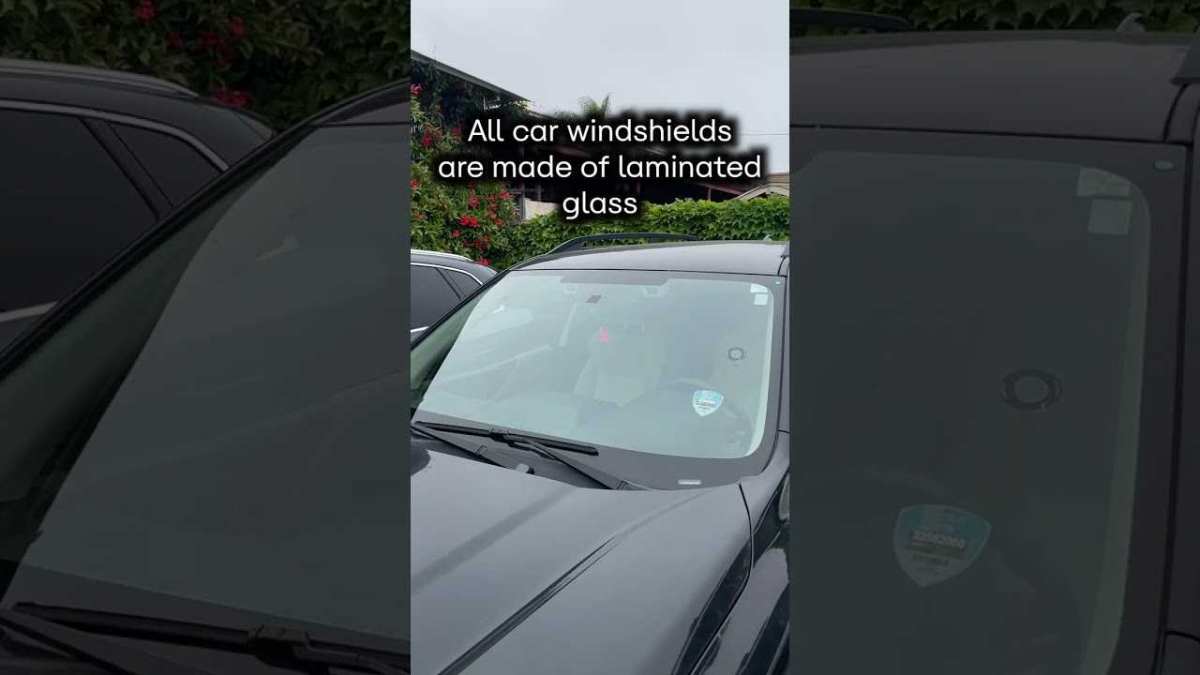
If you’re unsure whether your windshield is laminated, a quick way to tell is by performing a simple test: try to peel off a small part of the glass or check for a plastic layer between two glass sheets, which is characteristic of laminated windshields. Laminated windshields are designed to hold together upon impact, making them safer, and distinguishing them can save you time during repairs or replacements. To find out definitively, look for a visible plastic layer or conduct a light test to see if the glass is thickened or has a plastic film embedded. Knowing your windshield type…

Read More

Look closely at your window—if the glass has a distinct, often wavy appearance with a plastic-like layer between two sheets, it’s likely laminated. You can also gently tap on the glass; laminated glass tends to produce a duller sound compared to regular glass. For a definitive test, try to press or cut into the glass, but always consult a professional for safety. Recognizing laminated glass is straightforward once you know its telltale signs, such as its extra layer and durability. Understanding how to identify this type of glass can help you determine if your windows are safe, secure, or need…

Read More

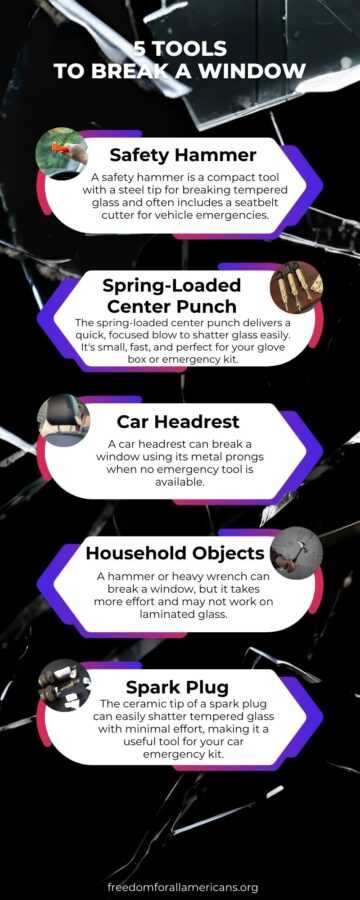
If you’re faced with an urgent need to break laminated glass, quick action is crucial. The fastest method involves using a hammer or a heavy tool along with a pointed object to weaken the laminate layer. Always wear protective gloves and eye gear to stay safe. Remember, applying force directly in a controlled manner is key to breaking laminated glass efficiently. In an emergency, breaking laminated glass can be lifesaving, especially when access to trapped persons or escape routes is needed. The best approach is to use a heavy tool like a hammer coupled with a sharp implement such as…

Read More

To repair laminated glass at home, start by assessing the damage to determine if a simple fix is possible or if professional help is needed. For minor chips or cracks, you can use clear epoxy resin and a few basic tools to fill in the gaps, restoring clarity and strength. For larger breaks, it’s often safer to replace the entire pane, but temporary fixes like applying a safety tape can help prevent further damage. If you notice small cracks or chips in your laminated glass, cleaning the area and carefully filling it with a clear, durable epoxy can buy you…

Read More

Quick answer: To replace laminated car glass, carefully remove the broken glass, clean the area, apply adhesive, and install the new laminated windshield securely. It’s a task best suited for professionals, but with the right tools and patience, you can do it yourself. If your car’s laminated glass has cracked or shattered, knowing how to replace it can save you time and money. The process involves removing the damaged glass without damaging the vehicle, prepping the surface for a new piece, and ensuring a perfect fit for safety and visibility. While it may seem daunting, understanding the steps involved helps…

Read More