Author: Alex

Avatar photo

Alex is the creator and lead writer of CarGlassFix.com, where he shares practical tips, guides, and product reviews focused on car glass care, repair, and safety. A lifelong car enthusiast with years of hands-on experience in auto maintenance, Alex has tested countless windshield repair kits, anti-fog treatments, and cleaning methods to give drivers advice they can trust.

Yes, you can technically go through a carwash with a cracked windshield, but it’s generally not recommended. The water and pressure from the wash can sometimes worsen the crack or cause it to spread, leading to potential safety issues. If the crack is small and not in the driver’s line of sight, it might hold up for a quick rinse, but bigger or more serious cracks should be repaired before heading to a carwash. Ultimately, assessing the size and location of the crack is key to deciding whether to proceed or avoid the wash altogether. If your windshield has a…

Read More

Yes, you can get pulled over for a cracked windshield. Law enforcement officers often stop drivers if the crack impairs visibility or violates safety regulations. Even small cracks can lead to a traffic stop, especially if they are in the driver’s line of sight. Short answer: Yes, you can be pulled over for a cracked windshield, especially if the damage obstructs your view or seems severe enough to compromise safety. However, the likelihood depends on where you are and how noticeable the crack is. Cracked windshields are more than just a cosmetic issue—they can be safety hazards on the road.…

Read More

Yes, you can get a ticket for a cracked windshield. Law enforcement officials often see a damaged windshield as a safety hazard and may issue citations if it obstructs your view or violates local vehicle codes. Depending on the severity of the crack and your state’s regulations, you might be fined or ordered to fix the issue promptly. If you’re wondering whether a cracked windshield can lead to a ticket, the answer generally depends on how noticeable and dangerous the damage is. Minor cracks that don’t impede your vision might not immediately result in a citation, but larger or obstructive…

Read More

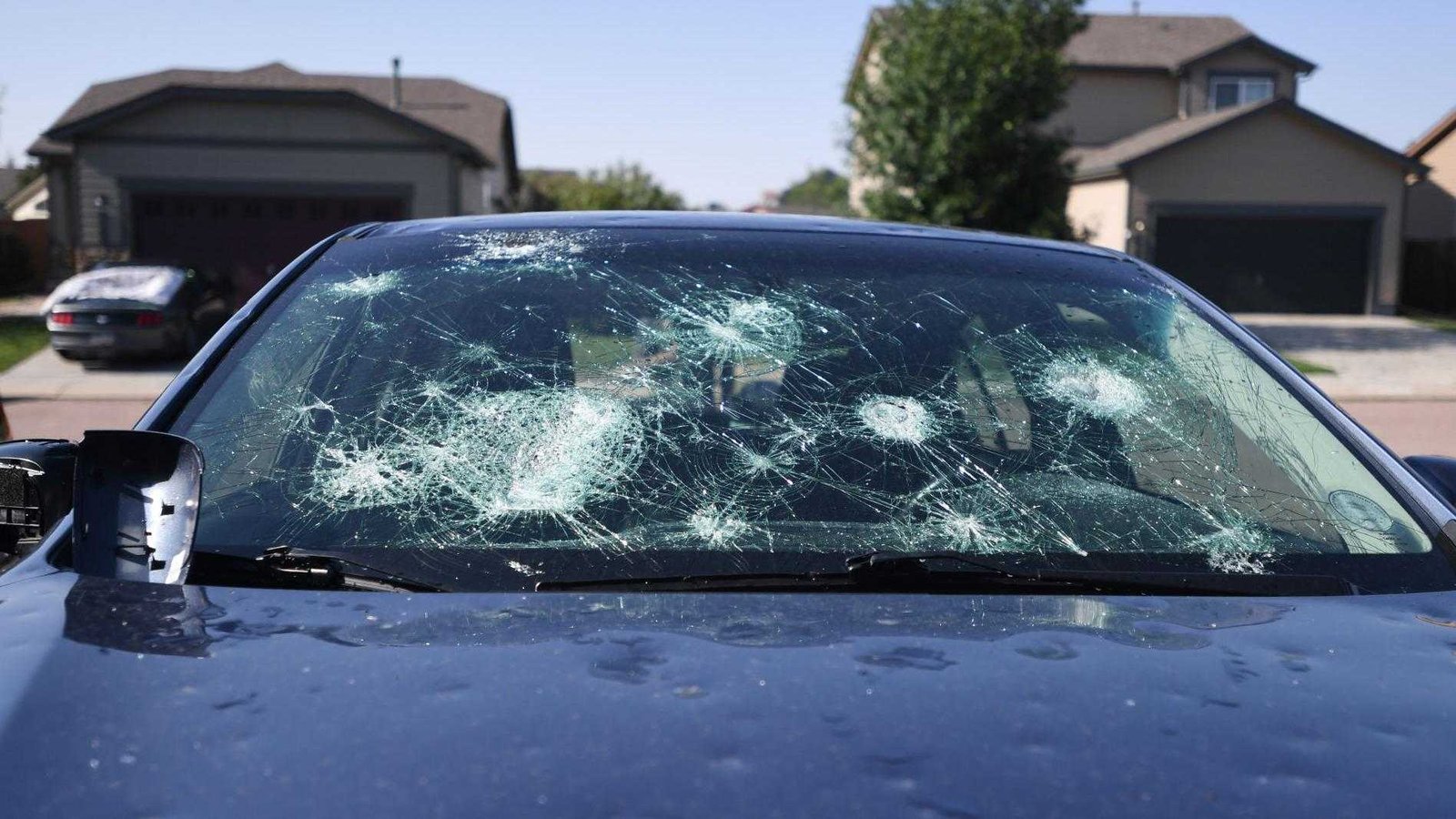
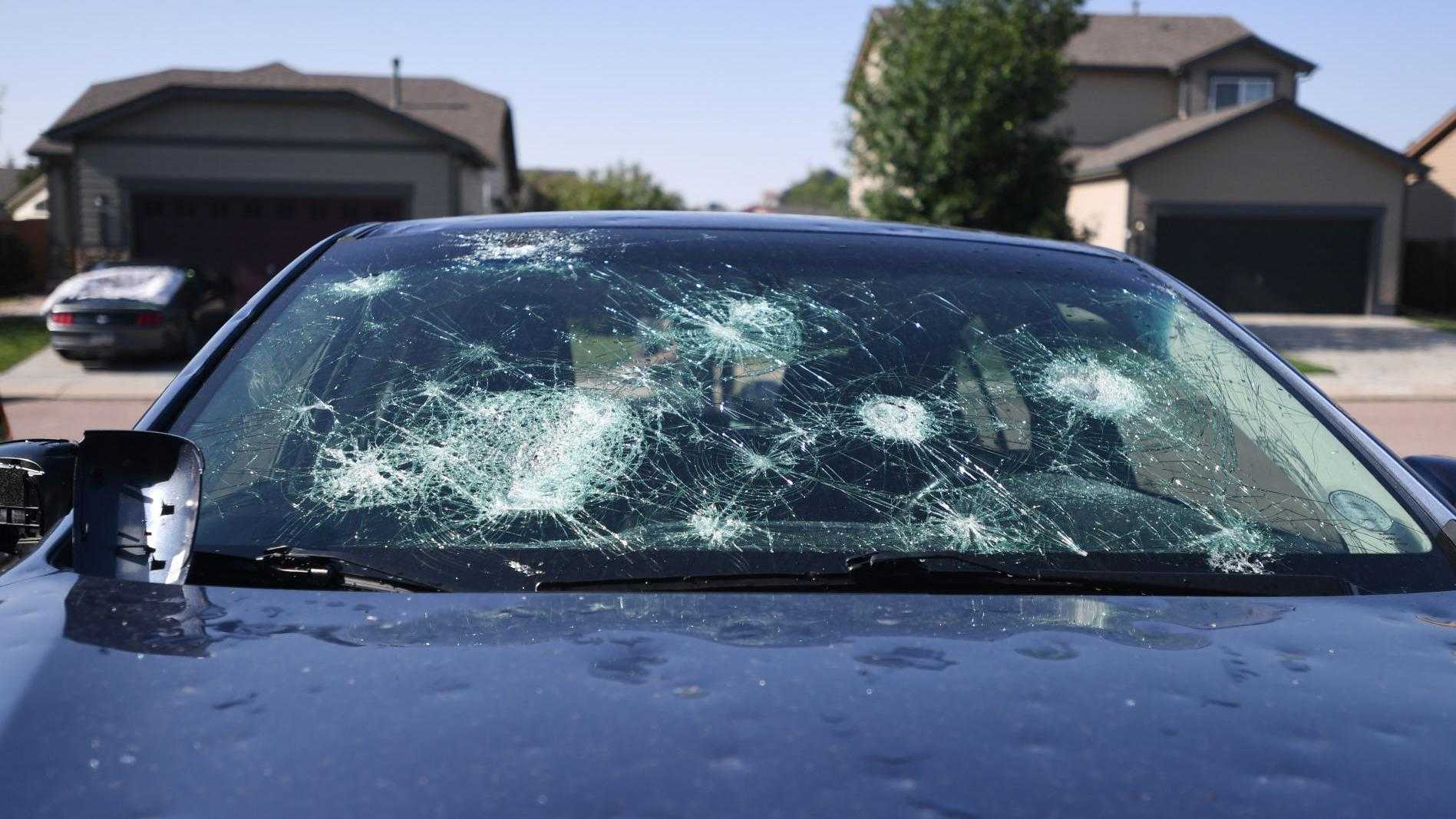
Yes, hail can definitely break a windshield. Large hailstones traveling at high speeds can cause significant damage, leading to cracks or even shattering the glass. It’s important to take precautions during hailstorms to protect your vehicle. Hail can indeed break a windshield, especially if the stones are large and hit with enough force. The severity of the damage depends on the size of the hail and the speed at which it strikes. Protecting your car during storms is crucial to avoid costly repairs. When a hailstorm hits, your first instinct might be to rush indoors, but if you’re caught outside,…

Read More

Yes, hail can break a windshield. The impact of large hailstones can cause significant damage, leading to cracks or even shattering the glass. If you’re caught in a hailstorm while driving, your windshield is at risk of being compromised, especially if the hailstones are big enough or fall with enough force. In short, hail can indeed break a windshield, particularly during severe storms with large or fast-falling hail. The size, speed, and density of hailstones all play crucial roles in the level of damage they can inflict. It’s important to understand the risks and know how to protect your vehicle…

Read More

Yes, cold weather can cause windshields to crack, especially if there are existing chips or weaknesses in the glass. Rapid temperature changes and freezing conditions put extra stress on the windshield, increasing the risk of cracks. Cold weather can indeed cause windshields to crack, mainly because of the stress caused by freezing temperatures and sudden temperature shifts. When temperatures drop, the glass contracts, and if the windshield has existing minor chips or cracks, the contraction can make these imperfections worse, leading to larger cracks. Additionally, exposure to ice and snow often requires clearing the glass with ice scrapers or hot…

Read More

Yes, a windshield can shatter from excessive heat. When temperatures soar, the glass becomes more vulnerable to stress, which can cause it to crack or break unexpectedly. In short, yes, extreme heat can cause a windshield to shatter, especially if the glass has existing weaknesses or is exposed to sudden temperature changes. Over time, prolonged exposure to high temperatures can weaken the structural integrity of the glass, making it more susceptible to breaking. It’s essential to understand how heat affects your car’s windshield and take precautions during hot weather to prevent unexpected breakage. High temperatures are more than just uncomfortable;…

Read More

Yes, a windshield can crack from cold temperatures. Sudden drops in temperature cause the glass to contract and expand unevenly, which can lead to cracks or even shattering. Cold weather also makes the glass more brittle and susceptible to damage from minor impacts. In short, extreme cold can indeed cause or worsen cracks in your windshield, especially if it’s already compromised. Protecting your windshield during winter by avoiding rapid temperature changes and inspecting for existing chips can help prevent further damage. When winter rolls in, many car owners wonder if the chill could cause their windshields to crack. The answer…

Read More

Yes, a cracked windshield can shatter in the cold, especially if the damage is severe or if the temperature drops suddenly. Cold weather can cause the glass to become more brittle and vulnerable to spreading cracks or complete shattering. In short, yes, a cracked windshield can shatter in the cold, but the likelihood depends on the extent of the damage and the temperature change. Cold conditions make the glass more fragile, increasing the risk of it breaking completely if impacted or stressed. When winter arrives, many car owners wonder whether those small cracks in their windshields pose a bigger danger.…

Read More

Yes, a cracked windshield can sometimes pass inspection in North Carolina, but it depends on the size, location, and severity of the crack. Small chips or cracks that don’t obstruct the driver’s view are more likely to pass, while larger or more significant damages usually do not. Ultimately, the inspection standards focus on safety and visibility, so if the crack impairs either, it may need to be repaired before passing. If you’re wondering whether a cracked windshield can pass inspection in North Carolina, it’s a question many drivers face. While minor chips and small cracks might still make the cut,…

Read More