How To Confirm If Glass Is Laminated For Safety

To quickly confirm if glass is laminated, look for a visible film within the glass or try tapping it gently—laminated glass often produces a duller sound compared to regular glass. You can also try pressing on the surface; laminated glass tends to flex slightly instead of shattering immediately.
Laminated glass is designed with a plastic layer sandwiched between two sheets of glass, making it more resistant to breaking and providing added safety. To identify if your glass is laminated, one easy method is to look for a dark line or a slight visual distinction when the glass is held up to the light—this indicates the plastic interlayer. Alternatively, performing a simple test like gently pressing or tapping can give you quick clues without any special tools. Knowing how to distinguish laminated glass is useful for safety considerations, home repairs, or when dealing with vehicle windshields.

How to Confirm If Glass Is Laminated
Knowing whether glass is laminated is important for safety, security, and understanding the glass’s properties. Laminated glass is designed to hold together when broken, making it safer in case of accidents. This section describes simple and effective methods to identify laminated glass accurately.
Understanding Laminated Glass
Laminated glass consists of two or more layers of glass bonded together with a plastic interlayer, usually made of Polyvinyl Butyral (PVB). This interlayer keeps the glass intact when shattered, preventing dangerous shards from falling. Recognizing these characteristics helps in verifying if a glass is laminated.
Physical Inspection of the Glass
One of the easiest ways to determine if glass is laminated is by performing a physical check. Carefully examine the glass for visual cues like a slight tint, characteristic lines, or distortion. Laminated glass often appears slightly darker or has a different sheen compared to standard annealed glass.
Look for **visible lamination lines or cloudy layers**. These can sometimes be seen along the edges or when holding the glass against the light. If you notice a cloudy or hazy layer between two glass sheets, it’s a sign of laminated construction.
Performing the ‘Prying Test’
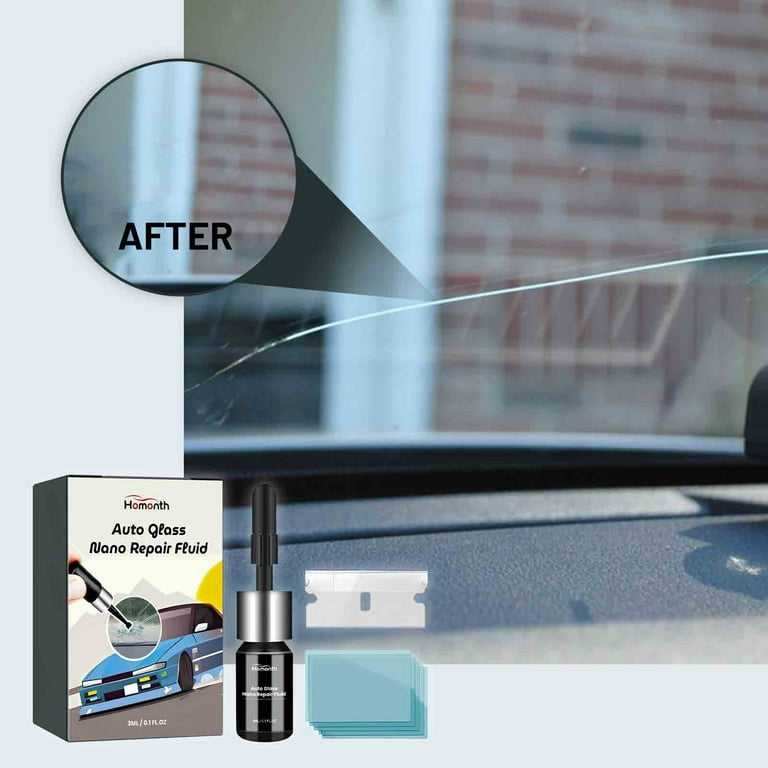
This test involves gently trying to separate the layers. Use a small tool, like a razor blade, to carefully insert at the edge of the glass to see if you can lift the plastic interlayer. Be cautious not to damage the glass or hurt yourself during this process.
If the plastic interlayer resists separation or remains attached, the glass is likely laminated. However, this method should be performed with care and preferably by professionals to avoid damage or injury.
Using a Glass Break Test
The break test is one of the most straightforward indicators of laminated glass. If you gently tap or lightly strike the glass with a small hammer or similar object, observe how it reacts. Laminated glass tends to crack but not shatter into sharp pieces.
When broken, laminated glass usually holds together because of the plastic layer. In contrast, standard glass crumbles into dangerous shards. Make sure to conduct this test in a safe environment, ideally outdoors or with proper safety equipment.
Check the Edges and Thickness
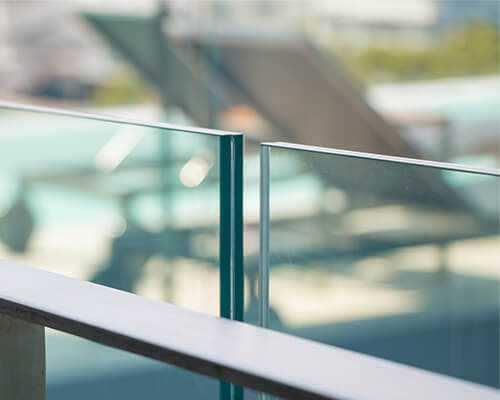
Examine the edges of the glass for multiple layers or a plastic layer visible along the cut edges. Laminated glass often appears thicker than single-pane glass because of the multiple layers bonded together.
Use a caliper or ruler to measure the thickness. If the glass is notably thicker than typical glass of similar size, it likely contains multiple layers and is laminated.
Use of a Magnet or Light Source
Holding a small magnet against the glass or shining a bright light through it can reveal clues about its construction. Laminated glass contains a plastic interlayer that may alter how light passes through or how the magnet interacts.
If light passing through looks distorted or uneven, and the plastic layer is visible or visible as a cloudy line, it suggests lamination. Similarly, a magnet might detect differences in the strength or behavior near the glass edges.
Conducting a UV or Infrared Test
more advanced methods involve using UV or infrared light to identify laminated glass. When illuminated with UV light, the plastic interlayer often fluoresces, making it easier to identify. Infrared scans can also reveal the presence of multiple layers.
While these tests are more specialized, they are highly reliable, especially in professional settings. They can confirm lamination without damaging the glass or risking safety.
Consulting Professional Services
If you’re uncertain about the nature of your glass, consider consulting glass specialists or certified inspectors. They have specialized tools and expertise to determine if the glass is laminated accurately and non-invasively.
Professional testing methods include ultrasonic testing, which can assess the internal structure of the glass without breaking it. These services are especially valuable for safety-critical applications like automotive windshields or building windows.
Related Topics: Recognizing Tempered and Insulated Glass
Besides laminated glass, understanding other types like tempered or insulated glass can be beneficial. Tempered glass shatters into small, blunt pieces, while insulated glass has multiple panes separated by air or gas. Recognizing these differences can help in making informed decisions about your glass needs.
Summary of Key Identification Techniques
| Method | Description | Safety Note |
|---|---|---|
| Visual Inspection | Look for cloudy layers or lamination lines | Handle carefully to avoid injury |
| Prying Test | Insert razor to see if layers separate | Perform with caution to prevent damage |
| Break Test | Tap the glass lightly and observe cracking behavior | Use safety gear and caution |
| Edges and Thickness | Check for multiple layers or increased thickness | Handle carefully at edges |
| Lighting Techniques | Use light or magnet to observe layer effects | Ensure safe environment |
| Advanced Testing | Infrared or UV light scans | Require specialized equipment |
| Professional Inspection | Ultrasonic or other certified tests | Performed by trained experts |
Additional Tips for Confirming Laminated Glass
- Always wear protective gloves and eye protection during tests.
- Perform tests in a controlled environment to prevent injury.
- If the glass is part of an important structure, consult professionals before performing tests.
By understanding these various methods, you can confidently identify laminated glass accurately. Using a combination of visual inspection and simple testing can save you time and ensure safety.
What is Laminated Glass
Frequently Asked Questions
What physical signs indicate that a glass panel might be laminated?
If the glass has a slightly cloudy or oily appearance along the edges or if you notice a subtle film between layers, it could be laminated. Additionally, laminated glass tends to be more resistant to shattering, so if the glass cracks but stays largely intact, it may be laminated. Tapping the glass lightly and listening to the sound can also provide clues; a duller thud often suggests lamination.
How can a simple test confirm if the glass is laminated without specialized tools?
You can perform a fingerprint test by pressing your finger gently against the glass. If a fingerprint is visible and remains for some time without smudging immediately, the glass likely has a laminated layer. Alternatively, tap the glass with a small object; if it produces a muted sound, it indicates lamination. Be cautious not to exert too much force to avoid damage.
Is there a way to verify lamination using the visual of a crack or impact?
Yes. When laminated glass cracks, it usually exhibits a distinctive pattern with multiple small, spider-web-like fractures that stay bonded to the inner layer. Unlike ordinary glass, which shatters into sharp pieces, laminated glass often remains largely intact after impact, showing a fracture pattern that indicates it’s laminated. Inspect the edges for a layered appearance that can also confirm lamination.
Can a laser or light be used to determine if glass is laminated?
Yes, using a laser or a strong light source can help identify lamination. By shining light through the glass at an angle, you may observe a double image or see internal layers, which suggest lamination. This method works best in dimmer environments and for thicker glass. However, it may not be definitive without experience or additional testing.
Are there any professional tests or certifications that verify if glass is laminated?
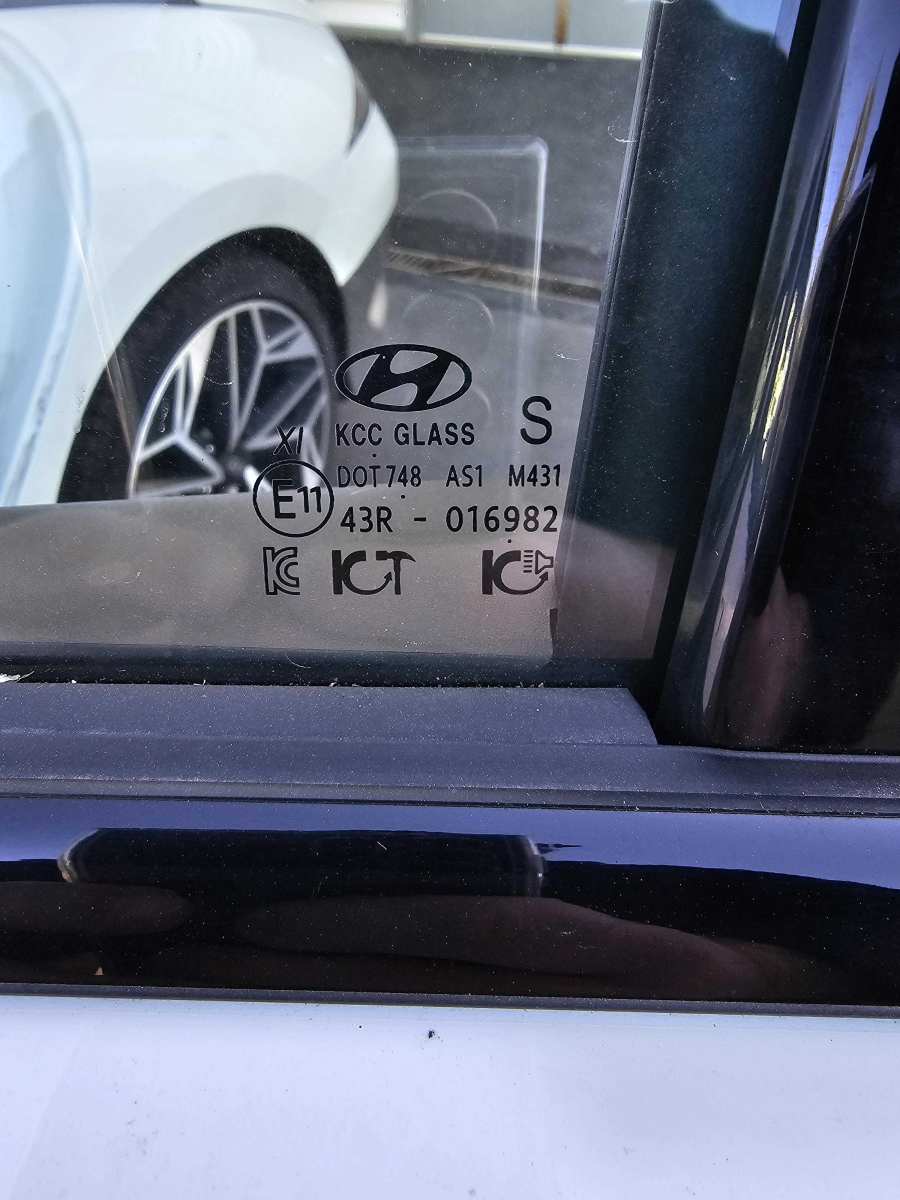
Yes, professionals can perform specific tests such as ultrasonic or chemical analysis to confirm lamination. Certification labels or markings on the glass might also indicate lamination, especially for safety glass used in building codes. When in doubt, consulting with a glass specialist or using certified testing services provides the most accurate verification.
Final Thoughts
To confirm if glass is laminated, perform a simple test by gently tapping the surface. If you hear a muffled or different sound compared to regular glass, it is likely laminated. Visually inspect the edges for a slight plastic-like layer or look for a distinct film between two glass layers.
You can also try the paper test: press a piece of paper against the glass surface. If it sticks or is difficult to tear, the glass might be laminated. Being aware of these signs ensures you accurately identify laminated glass with ease.

Similar Posts