Why Laminated Glass Is Used In Cars For Safety And Security
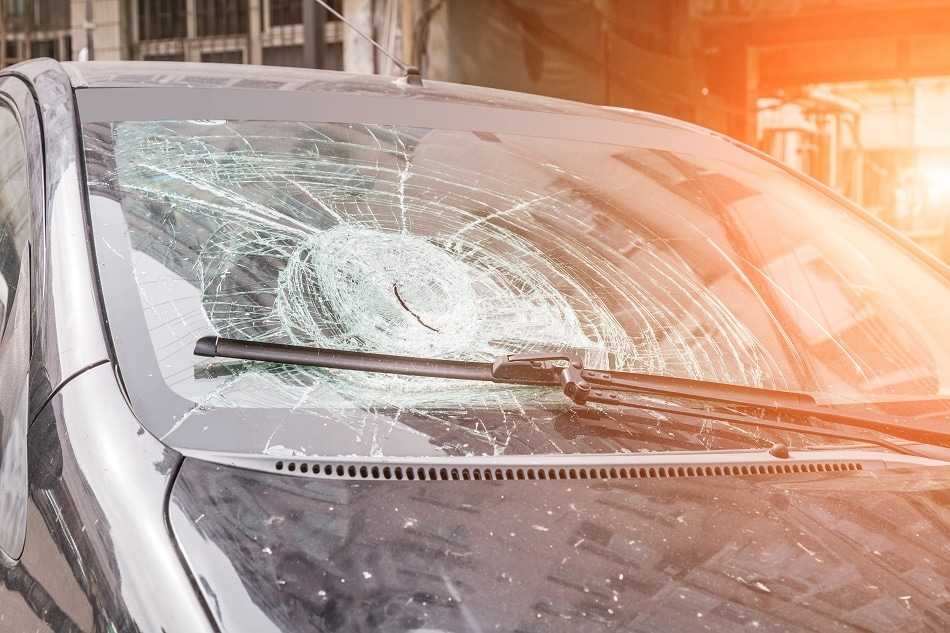
Laminated glass is essential in cars because it keeps passengers safe and protected. If you’re wondering why this type of glass is a standard feature, the answer lies in its superior ability to prevent dangerous shards from flying when the glass breaks and to provide better protection against impacts and theft.
In short, laminated glass in cars is used primarily for safety and security reasons. It holds together even after significant impacts, reducing the risk of injury from shattered glass, and helps protect occupants from outside threats. Its durability also makes it an excellent barrier against UV rays and noise, creating a more comfortable driving experience. Understanding why laminated glass is so crucial highlights its role in making modern vehicles safer and more reliable for everyone on the road.

Why Laminated Glass Is Used in Cars
Laminated glass plays a crucial role in vehicle safety and design. Its unique structure offers multiple benefits that protect passengers and improve driving experiences. Understanding why laminated glass is used in cars helps us appreciate its importance in everyday life.
What Is Laminated Glass?
Laminated glass is made by bonding two or more layers of glass with a plastic interlayer, usually polyvinyl butyral (PVB). This process creates a strong, transparent shield that holds the glass together even when shattered. The design aims to increase safety and durability in various applications, especially in automotive manufacturing.
Key Features of Laminated Glass
- High strength and durability: Offers resistance against impacts and pressure.
- Enhanced safety: Prevents shards from scattering during breakage.
- UV protection: Blocks harmful ultraviolet rays from entering the vehicle.
- Sound insulation: Reduces noise from outside, making rides more comfortable.
- Optical clarity: Maintains a clear view, ensuring safety and visibility.
Why Is Laminated Glass Preferred Over Other Types?
Compared to tempered glass, laminated glass offers superior safety benefits. Tempered glass shatters into small, blunt pieces, which can still cause injury. Laminated glass, by contrast, remains largely intact and prevents dangerous shards from flying into the vehicle.
Impact Resistance and Safety
Laminated glass absorbs impact better, making it less likely to break upon collision. This property is especially vital in preventing injuries caused by glass shards, particularly during accidents or break-ins.
Protection During Accidents
In crashes, laminated glass helps maintain the integrity of the windshield, providing a protective barrier. This barrier prevents passengers from ejection and reduces the risk of head injuries.
Protection Against Vandalism and Theft
The strength of laminated glass discourages vandalism, as it is more difficult to break than standard glass. It also prevents burglars from easily gaining entry through windows.
UV and UVB Rays Blocking Capabilities
Laminated glass effectively blocks most ultraviolet rays, which can cause skin damage and fade interior fabrics. This feature helps keep the car’s interior looking new longer and offers added protection for passengers.
Noise Reduction Benefits
Vehicles equipped with laminated glass experience less outside noise, creating a quieter cabin environment. This is particularly beneficial in busy urban areas or highways with high ambient noise levels.
Enhancing Vehicle Safety Standards
Many countries require laminated glass for windshields due to its safety advantages. Regulatory bodies appreciate how laminated glass minimizes injury severity during accidents.
Design Flexibility and Aesthetic Appeal
Laminated glass can be made in various shapes and sizes, fitting different vehicle models seamlessly. It also maintains a clean, transparent appearance, integrating well with modern car designs.
Environmental Impact and Recycling
Laminated glass can be recycled efficiently, reducing waste and environmental footprint. Recycling involves separating the plastic interlayer from glass shards, allowing reuse in new glass products.
Additional Uses of Laminated Glass in Vehicles
- Rear windows: Benefit from similar safety and UV protection features.
- Sunroofs and panoramic windows: Use laminated glass for strength and safety in larger glass panels.
- Side windows: Increasingly utilize laminated glass for added security and UV protection.
Cost and Maintenance Considerations
Although laminated glass may cost more initially than standard glass, its benefits justify the expense. It requires minimal maintenance, mainly regular cleaning with appropriate glass cleaners to maintain clarity and safety.
In summary, laminated glass serves as a vital component in modern vehicles due to its safety features, durability, and functional benefits. It protects passengers, enhances comfort, and contributes to vehicle security and design. These qualities make laminated glass the smart choice for automotive manufacturers aiming to build safer, more reliable cars.
Laminated Glass vs Tempered Glass • Rescue Hammer • #ThatBeardedMechanic #WindowBreaker #Shorts
Frequently Asked Questions
What safety advantages does laminated glass provide in the event of an accident?
Laminated glass holds together when shattered, preventing glass shards from flying into the vehicle cabin. This containment reduces the risk of injury for passengers and minimizes the potential for objects to penetrate the interior. Additionally, it helps maintain the structural integrity of the window, supporting overall vehicle safety during collisions.
How does laminated glass contribute to noise reduction inside the vehicle?
Laminated glass consists of a layer of polyvinyl butyral (PVB) between two glass sheets, which dampens sound vibrations. This composition absorbs and reduces external noise, providing a quieter cabin environment. As a result, passengers experience less road and engine noise, enhancing comfort during drives.
In what ways does laminated glass impact the vehicle’s UV protection?
Laminated glass blocks a significant portion of ultraviolet (UV) rays from entering the vehicle. This shielding protects passengers from UV exposure and helps prevent the interior materials, such as upholstery and dashboards, from fading or deteriorating over time. The result is a more comfortable and longer-lasting interior environment.
Why is laminated glass preferred for windshields over other types of glass?
Manufacturers favor laminated glass for windshields because it offers superior safety and durability. Its ability to stay intact after impacts, along with its resistance to shattering into dangerous fragments, makes it essential. This level of protection ensures drivers and passengers stay safer in the event of accidents or debris strikes on the road.
How does laminated glass influence the overall vehicle design and visibility?
Laminated glass provides excellent clarity and minimal distortion, which maintains optimal visibility for drivers. Its thickness and composition also allow designers to incorporate features like embedded antennas or special tinting without compromising transparency. This balance of safety and design flexibility enhances both functionality and aesthetics in modern vehicles.
Final Thoughts
Laminated glass is essential in vehicles due to its safety features. It holds the glass together upon impact, preventing dangerous shards from flying into the cabin. This significantly reduces injuries and enhances passenger protection.
Additionally, laminated glass provides sound insulation and UV protection, improving comfort inside the vehicle. Its durability also increases the lifespan of car windows, making it a practical choice.
Why laminated glass is used in cars comes down to safety, comfort, and durability. These factors explain its widespread use and importance in automotive design.

Similar Posts