How To Make Car Glass Water Repellent For Better Visibility
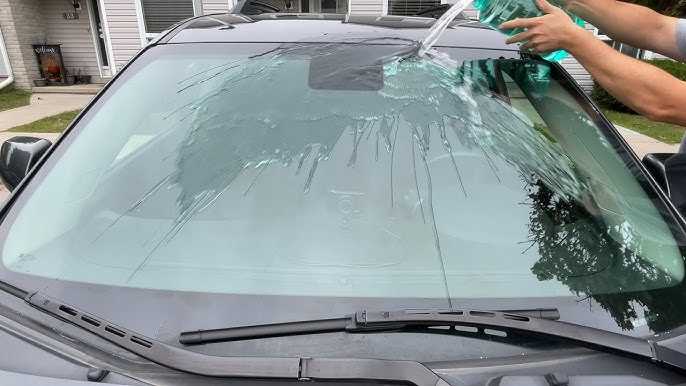
To make your car glass water repellent, apply a specialized hydrophobic coating or spray designed for automotive glass. These products create a barrier that causes water to bead up and roll off, improving visibility during rain. Regular cleaning and treatment maintain this effect, ensuring safer driving in wet conditions.
A simple way to water-repellent your car glass is by using a commercial hydrophobic spray or applying a ceramic coating. This creates a protective layer that repels water and dirt, making your windshield clearer and safer. Proper preparation and consistent reapplication are key for long-lasting results.
If you want to keep your windshield clear and improve visibility during rainy weather, learn how to make your car’s glass water-repellent. This process involves cleaning your windshield thoroughly before applying a water-repellent product, which forms a thin, invisible barrier. Whether you opt for a DIY spray or professional treatment, maintaining this coating will help water slide off easily, reducing the need for frequent wipers and enhancing your safety on the road.

How to Make Car Glass Water Repellent
Having water-repellent car glass makes driving safer, especially during rain or snow. When your windshield and windows resist water, your visibility remains clear, reducing the chances of accidents. Learning how to make your car glass water repellent is an easy way to protect yourself on the road and improve overall driving experience.
Understanding Water Repellency and Its Benefits
Water-repellent glass causes water to bead up and roll off instead of spreading out. This effect improves visibility by preventing water from sticking to the surface. Additionally, water-repellent coatings can reduce ice buildup in cold weather and minimize the need for frequent windshield wiper use.
One of the main advantages of water-repellent glass is that it helps you see better in rainy conditions. You will notice less streaking and fogging, making driving safer and less stressful.
Types of Water-Repellent Products for Car Glass
There are mainly two types of products you can apply to make your glass water repellent:
- Spray-on Water Repellents: These are quick and easy to use. They come in bottles and are applied with a cloth or sponge.
- Liquid or Gel Treatments: These are often more durable but require a more detailed application process. They are usually applied with a cloth and may need curing time.
Choosing between these depends on your budget, how long-lasting you want the coating to be, and your comfort with the application process.
Preparing Your Car Glass for Application
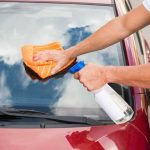
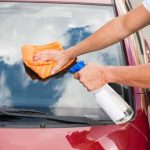
Before applying any product, cleaning the glass thoroughly is essential. Dirt, grime, and oil can prevent the treatment from sticking properly.
Use a quality glass cleaner and a microfiber cloth to remove all residues. For tougher stains or residues, consider using a glass polish or rubbing alcohol for extra cleaning power.
Ensure the glass is completely dry before moving to the next step. Any moisture left can interfere with the adhesion of the water-repellent coating.
Applying Water-Repellent Coatings Step-by-Step
Step 1: Choose the Right Product
Select a water-repellent product suited to your needs. Read instructions carefully to understand the application process and curing time.
Step 2: Protect Surrounding Areas
Cover your car’s interior and surrounding areas with old newspapers or plastic sheets. This prevents overspray or drips from causing damage.
Step 3: Apply the Product
Spray or apply the treatment evenly across the entire surface. Use a microfiber cloth to spread the solution evenly and ensure complete coverage.
Pay extra attention to edges and corners where water may tend to collect.
Step 4: Curing and Drying
Allow the coating to cure as per the manufacturer’s instructions. Usually, this involves letting the glass sit undisturbed for a certain period.
Avoid touching or getting the surface wet during this time to maximize effectiveness.
Additional Tips for Better Results
- Repeat the Application: For optimal water repellency, reapply the coating every six months or after heavy rain.
- Maintain Regular Cleaning: Clean your glass regularly to ensure the water-repellent layer remains effective.
- Use High-Quality Products: Cheaper or poorly formulated products may not last long or provide the desired effect.
- Avoid Harsh Cleaners: Use gentle glass cleaners to prevent damaging the coating.
DIY vs. Professional Application
If you’re comfortable, applying water-repellent coatings yourself can save money. Follow the instructions carefully for good results. However, professionals can ensure even coating and longer-lasting effects, especially for larger or hard-to-reach surfaces.
Professional treatments often include higher-grade products that may last longer and provide superior water repellency.
Common Mistakes to Avoid
- Skipping the Cleaning Step: Dirt and oil prevent proper adhesion. Always clean thoroughly before application.
- Applying in Wet or Humid Conditions: Moisture can interfere with curing and bonding.
- Overapplying the Product: Excess coating can cause streaks and reduce effectiveness.
Maintaining Your Water-Repellent Car Glass
After successful application, regular maintenance helps prolong the water-repellent effects. Clean the glass with gentle cleaners and avoid abrasive tools that could strip the coating.
Check the coating’s condition periodically and reapply when water no longer beads up as effectively.
Store your products in a cool, dry place to keep them effective for future use.
Related Topics
- How to Remove Water-Repellent Coatings
- Best Glass Cleaners for Car Windows
- Tips for Safe Driving in Heavy Rain
- Benefits of Ceramic Coatings for Car Glass
Applying water-repellent solutions to your car glass is a simple process that can significantly enhance visibility and safety. Stick to proper cleaning, choose quality products, and follow application instructions carefully for the best results.
Make Your Car Window Water Repellent! 🪥 #shorts
Frequently Asked Questions
What are the best methods to prepare car glass before applying a water-repellent coating?
Start by thoroughly washing the car glass with a glass cleaner to remove dirt, dust, and grease. Use a microfiber cloth to wipe the surface and ensure it’s completely dry. For stubborn residues, gently scrub with a glass-safe cleaner or rubbing alcohol. Proper preparation ensures that the water-repellent treatment adheres evenly and lasts longer.
How does the application process affect the effectiveness of water-repellent products on car glass?
Applying the product evenly in a clean, dry environment helps achieve optimal coverage. Use a soft applicator or microfiber cloth to spread the coating in straight, overlapping strokes. Avoid applying too thick layers, as they can cause uneven coverage or streaks. Proper application techniques ensure the water-repellent layer forms a consistent barrier against water.
What precautions should I take while applying water-repellent solutions to my car glass?
Protect your surrounding areas from overspray by working in a well-ventilated space or outdoors. Wear gloves to prevent skin contact with chemicals, and follow the manufacturer’s instructions regarding drying times. Avoid touching the treated surface immediately after application to allow the coating to set properly. These precautions help ensure safety and maximize the coating’s effectiveness.
How often should I reapply a water-repellent treatment on my car’s glass?
Reapply the treatment every 6 to 12 months, depending on driving conditions and exposure to weather elements. If you notice water no longer beads and rolls off quickly, it’s time for a new application. Regular reapplication maintains optimal visibility and protection from water-related obstructions during driving.
Can I apply water-repellent products on existing auto glass coatings?
Yes, you can apply a water-repellent treatment over existing coatings, but ensure the surface is clean and free from contaminants. Lightly clean the glass with a suitable cleaner before reapplying. Following proper preparation steps helps improve the adherence and effectiveness of the new layer, ensuring continued water resistance.
Final Thoughts
To make car glass water repellent, start by thoroughly cleaning the glass to remove dirt and grease. Apply a high-quality water repellent solution evenly using a microfiber cloth or applicator. Allow it to cure as per the product instructions, usually a few minutes. Regular maintenance and reapplication ensure the effectiveness of the water repellent coating.

Similar Posts