How To Protect Car Windshield Effectively And Easily
To keep your car windshield pristine and crack-free, regularly washing it and applying a protective coating are key. Also, parking in shaded areas and avoiding sudden temperature changes can significantly prolong its lifespan. These simple steps can save you money and time in repairs and replacements.
Regularly cleaning your windshield with gentle soap and water, and using a quality protective film or coating can shield it from scratches and chips. Additionally, parking in shaded spots and avoiding extreme temperature fluctuations help prevent stress on the glass, maintaining its clarity and strength longer.
A cracked or chipped windshield not only diminishes your vehicle’s appearance but also compromises safety. Protecting your windshield begins with understanding how environmental factors, driving habits, and proper maintenance influence its longevity. By taking proactive measures like routine cleaning, applying protective coatings, and cautious parking practices, you can ensure your windshield stays clear, durable, and safe for years to come.

How to Protect Car Windshield
Understanding the Importance of a Well-Maintained Windshield
Your car windshield is more than just a barrier against wind and debris. It provides structural support to the vehicle and keeps you safe during accidents. A damaged or cracked windshield can compromise this support, increasing the risk of injury. Keeping your windshield in good condition is essential for your safety and your vehicle’s longevity.
Common Causes of Windshield Damage
Knowing what causes windshield damage helps you prevent it. The most common reasons include:
- Flying debris such as rocks or gravel
- Extreme weather conditions like hail or heavy snowfall
- Temperature fluctuations causing stress cracks
- Accidents or vandalism
- Poor installation or manufacturing flaws
Being aware of these causes helps you take proactive steps to shield your windshield effectively.
Regular Inspection and Maintenance
Performing routine inspections can catch small issues before they grow into bigger problems. Look for chips, cracks, or other signs of damage regularly. If you notice any problems, address them immediately to prevent further deterioration. Routine maintenance also involves cleaning the windshield properly to remove dirt and debris that can cause scratches.
Choosing the Right Cleaning Products
Use gentle, non-abrasive cleaners designed specifically for glass. Avoid harsh chemicals like ammonia or bleach, which can weaken the glass or damage the protective coatings. Microfiber cloths are ideal for cleaning because they do not scratch the surface. Regular cleaning prevents the buildup of dirt that can cause scratches and decreases visibility.
Applying Windshield Sealants and Protectants
Applying a high-quality sealant creates a protective barrier against dirt, water, and UV rays. These protectants can reduce the likelihood of cracks forming due to weather changes. Be sure to follow the manufacturer’s instructions for proper application to maximize effectiveness.
Using Sunshades and Parking Strategies
Extreme heat can weaken your windshield and cause it to expand and contract, which may lead to cracks. Using sunshades or parking in shaded areas shields your vehicle from direct sunlight. Whenever possible, park in a garage or covered spot to protect the windshield from hail and falling debris.
Installing a Protective Film
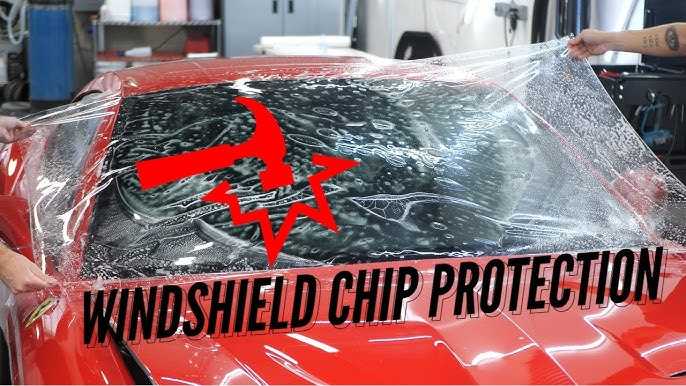
A clear, adhesive protective film adds an extra layer of defense against chips and scratches. It can absorb impacts from small debris and reduce the chance of cracks. Make sure to choose a film that is compatible with your windshield and professional installation for the best results.
Avoiding Sudden Temperature Changes
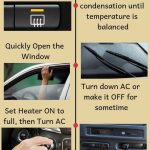
Rapid shifts from hot to cold can stress your windshield glass and cause cracks. Avoid pouring hot water on a frozen or icy windshield and don’t blast the heater directly onto the glass. Instead, gradually warm the vehicle and clear ice gently with a scraper.
Driving Carefully on Rough Roads
Reducing speed and maintaining a safe distance from other vehicles minimizes the impact of flying debris. When driving on gravel or construction zones, stay alert and avoid sudden maneuvers that might cause rocks to hit your windshield. Use your windshield wipers to clear dirt and small stones when necessary.
Practicing Safe Parking Habits
Proper parking can significantly reduce the risk of damage. Choose parking spots away from trees, construction sites, or areas prone to falling objects. Avoid parking under overhanging branches or utility poles where falling debris could strike your windshield.
Repairing Cracks and Chips Promptly
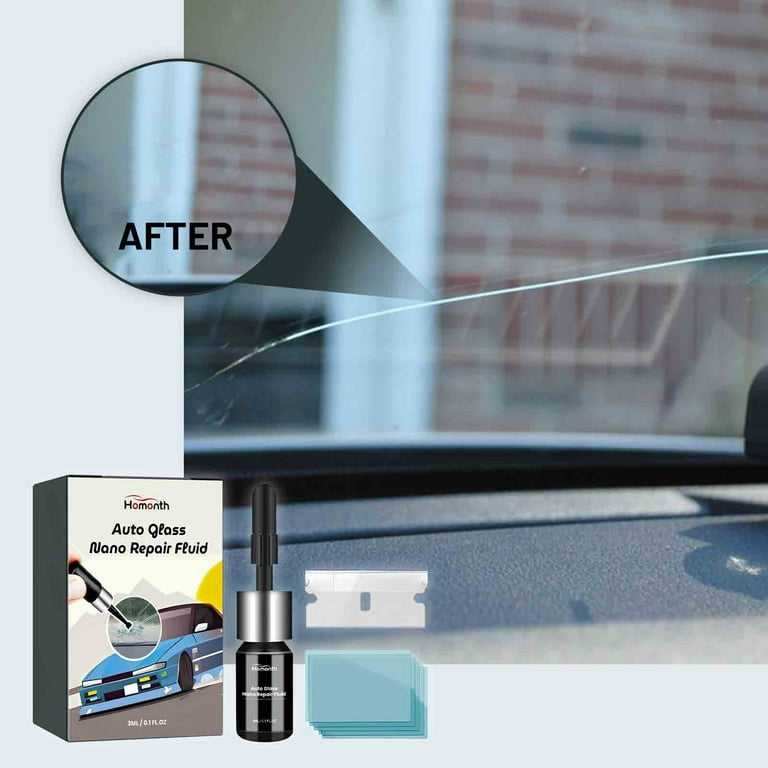
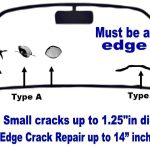
If your windshield sustains a chip or crack, repair it immediately. Small chips can often be fixed quickly, preventing them from spreading. Delaying repairs can lead to more extensive damage, requiring costly replacements.
Choosing Professional Repair and Replacement Services
Always seek certified professionals for repairs or replacements. Proper installation and repair techniques ensure your windshield remains secure and functional. Avoid DIY fixes, as improper repairs can compromise safety and result in costly damages.
Summary of Key Protective Measures
Here are some crucial steps to protect your windshield effectively:
- Regularly inspect for damage
- Use gentle cleaning products
- Apply protective sealants or films
- Avoid extreme heat and sudden temperature changes
- Park in shaded or covered areas
- Drive carefully on rough terrain
- Promptly repair chips and cracks
- Choose professional services for repairs or replacements
Additional Tips for Maintaining Your Windshield
Keeping your windshield in top shape goes beyond just prevention. Consider these additional tips:
- Check the windshield wipers regularly and replace worn blades
- Ensure the defroster works efficiently to prevent fog buildup
- Maintain proper tire pressure for a smoother ride and better control
- Be cautious during winter, and clear ice without damaging the glass
These practices help extend the lifespan of your windshield and ensure clear visibility every time you drive.
Related Topics to Consider
To further protect and care for your vehicle, explore related topics such as:
How to Prevent Car Paint Damage
Best Practices for Car Interior Maintenance
Choosing the Right Car Cover for All Weather Conditions
Effective Ways to Remove Bird Droppings and Tree Sap
Tips for Maintaining Your Car’s Exterior Shine
Implementing these protective measures can dramatically reduce your windshield’s risk of damage. Regular attention and care not only keep your view clear but also improve your vehicle’s overall safety and value. Remember, a well-maintained windshield is vital for safe driving and peace of mind.
🧐 The Truth About Windshield Protection | 1 Year Later
Frequently Asked Questions
What are effective ways to prevent pitting and etching on my car’s windshield?
To prevent pitting and etching, regularly wash your windshield with a gentle, non-abrasive cleaner and avoid using abrasive scrubbers. Park your car in shaded areas to reduce exposure to harsh environmental elements like bird droppings and tree sap that can cause damage. Applying a high-quality wax or sealant can create a protective barrier against pollutants. Additionally, promptly remove any debris or chemicals that come into contact with your windshield to minimize chemical reactions that accelerate deterioration.
How can I minimize the risk of windshield damage from road debris?
Maintain a safe distance from the vehicle ahead to lessen the impact of flying debris. Consider installing a clear protective film designed for windshields, which can absorb shocks and prevent chips or cracks. Keep your windshield clean and free from dirt and small stones that can become abrasive. When driving on gravel roads or construction zones, slow down to reduce the force of debris hitting your glass and avoid sudden maneuvers that could dislodge loose objects.
What maintenance steps can I take to keep my windshield in good condition?
Inspect your windshield regularly for cracks, chips, or scratches and address issues promptly before they worsen. Use a glass-specific cleaner and a soft cloth to maintain clarity and avoid scratches. Schedule professional inspections if you notice any damage, and consider resealing the edges if you observe water leaks or fogging inside the glass. Applying a hydrophobic coating can also improve visibility during rain and reduce dirt buildup, helping you keep your windshield in top condition.
Final Thoughts
Protecting your car windshield requires consistent care and mindful choices. Avoid parking under trees or in direct sunlight to prevent damage from falling debris and UV rays. Regularly clean your windshield with appropriate products to remove dirt and debris that can cause scratches.
Use quality windshield protectors or covers during harsh weather to shield against ice, hail, and other elements. Address chips or cracks immediately to prevent them from worsening. Practicing these habits helps maintain windshield clarity and longevity.
How to protect car windshield involves thoughtful preventive measures. Keeping your windshield in top condition ensures safe driving and reduces repair costs. Regular attention to these tips will keep your windshield durable and clear over time.

Similar Posts