How To Stop Windshield Reflection At Night Effectively
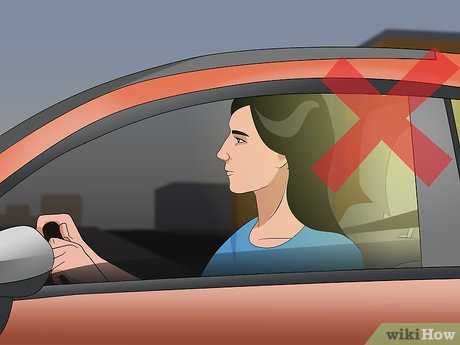
To prevent windshield reflection at night, try using an anti-reflective coating or a sunshade strip on your dashboard to reduce glare. Adjust your rearview mirror to the night setting and keep your windshield clean to minimize reflections. Wearing polarized sunglasses can also help cut down on unwanted light bouncing off surfaces.
If you’re tired of struggling with blinding reflections while driving at night, there are simple and effective tricks to minimize glare and improve visibility. Using anti-reflective coatings, adjusting your mirrors properly, and keeping your windshield spotless can make a big difference. These quick adjustments help create a safer, more comfortable driving experience during late hours. Keep reading to discover more detailed tips and solutions to keep night reflections at bay and ensure safer night driving.
Driving at night can be challenging due to reflections and glare that impair your vision. Often, these reflections are caused by light bouncing off your windshield or dashboard, creating visual clutter that distracts and hampers your ability to see clearly. Fortunately, there are practical steps you can take to reduce these reflections, such as maintaining a clean windshield, using anti-glare accessories, and adjusting your mirrors correctly. Implementing these simple techniques can significantly enhance your nighttime driving safety and comfort, allowing you to focus better on the road ahead.

How to Stop Windshield Reflection at Night
Understanding the Cause of Windshield Reflection
Reflections on your windshield at night happen because light from headlights, streetlights, and interior sources bounce off the glass. When light hits the glass surface, it reflects back into your eyes, making it difficult to see clearly. Recognizing the main cause helps identify the best ways to reduce or eliminate these reflections.
Different Types of Windshield Reflection
There are two main types of reflections you might notice during night driving:
- External reflections: These are caused by bright lights from outside sources reflecting off the windshield.
- Interior reflections: These occur when interior lights like dashboard illumination or reading lights reflect internally on the glass surface.
Knowing which type you experience helps in choosing the appropriate solution.
Adjusting Your Driving Environment to Minimize Reflections
One of the simplest ways to cut down on windshield reflections is by controlling your environment inside the vehicle.
Reduce Interior Lighting
Turning off or dimming interior lights diminishes internal reflections. Use minimal lighting, especially when driving at night, to avoid illumination bouncing back into your eyes.
Use Sunshades or Night Shades
Installing sunshades at night can block outside light sources from reaching your windshield. They are especially useful if you often find bright streetlights or oncoming headlights reflecting.
Properly Adjusting Your Mirror and Seat Position
Sometimes, reflections are caused by your seating and mirror angles.
Adjust Your Rearview Mirror
Set the mirror to an angle that minimizes light from behind. Many modern mirrors have anti-glare features or auto-dimming modes that help reduce blinding reflections.
Change Your Seat Position
Shifting your seat forward or backward can alter your line of sight, helping to avoid direct reflections of bright lights.
Using Special Glass Treatments to Prevent Reflection
Applying certain treatments to your windshield can significantly reduce glare and reflections.
Anti-Reflective Coatings
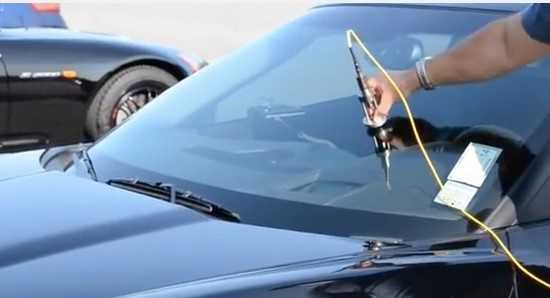
These coatings are designed to diminish the amount of light reflected off the glass surface. Many auto shops offer professionally applied anti-reflective films or sprays.
Windshield Tinting
Tinted windshields with a light tint can absorb some of the incoming light, lowering reflections. Opt for legal tint levels to avoid fines or visibility issues.
Installing Glass Accessories and Barriers
Adding physical barriers or accessories can block or reduce unwanted reflections.
Anti-Glare Windshield Covers
Special covers or shields that can be placed on the windshield when parked can prevent light from bouncing off the glass. While more useful for parked cars, they are a simple preventive measure.
Interior Visors and Sunshades
Using visors or sunshades inside the car can block incoming lights from the side. They are especially effective for preventing headlights from reflecting directly on the windshield.
Choosing the Right Windshield Wipers and Cleaning Techniques
Clean and well-maintained windshields help reduce visible reflections caused by dirt or smudges.
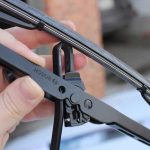
Use of Quality Windshield Wipers
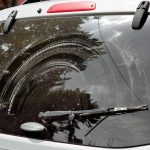
Opt for high-quality wipers to ensure a clean, streak-free surface, reducing glare caused by water spots or grime.
Regular Cleaning with Suitable Products
Use glass cleaning solutions designed for automotive glass. Clean the inside and outside surfaces regularly, focusing on the area near the edges where reflections tend to form.
Driving Tips to Reduce Nighttime Reflection Effects
Practical driving habits can improve visibility and reduce reflections during night driving.
Maintain Proper Distance from Lights
Keeping a safe distance from bright headlights helps prevent direct light from reflecting into your eyes.
Avoid Looking Directly at Bright Lights
Instead, glance to the side of bright oncoming headlights. This minimizes the effect of reflections and glare.
Use Your Windshield Wipers and Defrosters Correctly
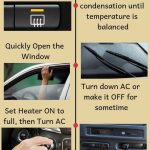
Keep your windshield clear of fog or moisture which may increase reflections. Use defrosters and wipers to maintain a clean, dry surface.
Technological Solutions to Minimize Reflection
Modern technology offers innovative ways to fight windshield reflections.
Night Vision Devices
Some vehicles feature night vision systems that enhance visibility, reducing reliance on traditional headlights and minimizing reflection issues.
HUD (Heads-Up Display) Technology
HUDs project vital information on your windshield, reducing your need to glance at interior displays, which can cause internal reflections.
Additional Tips for Safe Night Driving
Always prioritize your safety on the road.
Keep Your Windshield Maintained
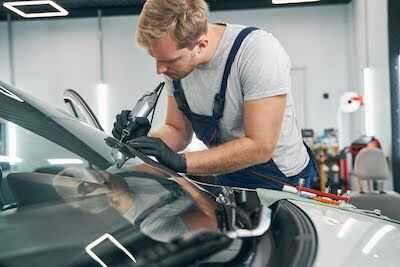
Regularly inspect and replace windshield wipers and repair chips or cracks that can increase glare effects.
Adjust Your Headlights
Make sure your headlights are properly aligned. Misaligned headlights can increase light scatter and reflections.
Stay Focused and Calm
Avoid straining your eyes by taking breaks during long drives. Staying calm helps you better manage reflective glare and glare-related distractions.
Use High-Quality Glass and Accessories
Opt for windshields with manufacturer-grade anti-reflective features. This investment can reduce night reflections significantly.
This detailed approach covers every aspect of reducing windshield reflection at night. From environmental adjustments to technological solutions, following these tips can enhance visibility and make night driving safer and more comfortable.
How do you keep the glare off your windshield?! #midwest
Frequently Asked Questions
What are effective methods to reduce glare caused by reflections on my windshield at night?
To minimize glare from reflections at night, keep your windshield clean inside and out, as dirt and smudges can worsen reflections. Use a polarized windshield filter or sunshade to block stray light. Adjust your rearview mirror to the night setting, which reduces the amount of light reflected into your eyes. Additionally, avoid looking directly at bright lights and focus on the right edge of the road to decrease glare sensitivity.
How can I adjust my driving habits to prevent nighttime windshield reflections?
Reduce your speed at night to give yourself more reaction time and avoid sudden movements that could increase reflections. Keep a safe distance from the vehicle ahead to lessen the impact of headlight glare. Limit looking at headlights directly and focus on the road markings or the right side of the road. Regularly check for any obstructions or decorations that could reflect light into your windshield and remove them if necessary.
Are there specific accessories or treatments that can help eliminate windshield reflections during night driving?
Applying anti-reflective coatings on your windshield can significantly cut down reflections. Installing a glare-reducing windshield film or tint also helps diminish the impact of bright lights. Some drivers find that using a dedicated anti-glare mirror or tinted visor can improve visibility and reduce eye strain. Ensure any accessories used are safe and compliant with local driving regulations before installation.
Final Thoughts
To stop windshield reflection at night, start by cleaning your windows thoroughly to remove dirt and smudges. Use anti-reflective glass cleaner to reduce glare and improve visibility. Adjust your rearview mirror to minimize light reflection directly into your eyes.
Wear polarized sunglasses if necessary to cut down on reflections from external lights. Additionally, keep your windshield free of cracks and chips, which can intensify reflections.
In conclusion, understanding how to stop windshield reflection at night involves simple steps like keeping your windows clean and adjusting your mirrors. These actions can significantly reduce glare, making nighttime driving safer and more comfortable.

Similar Posts