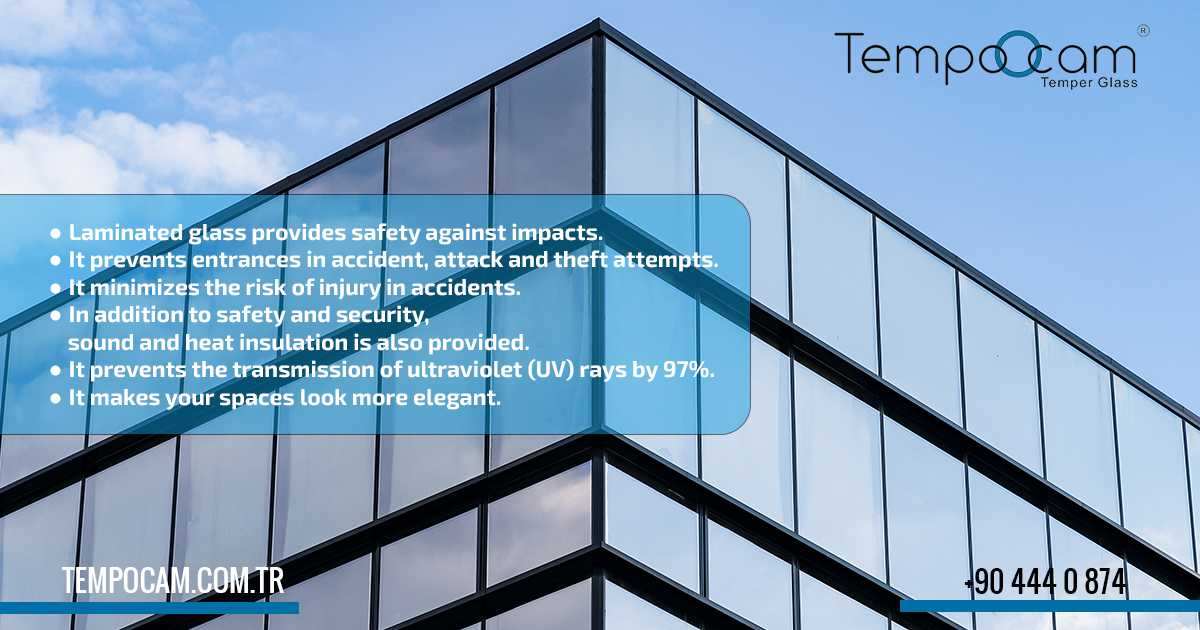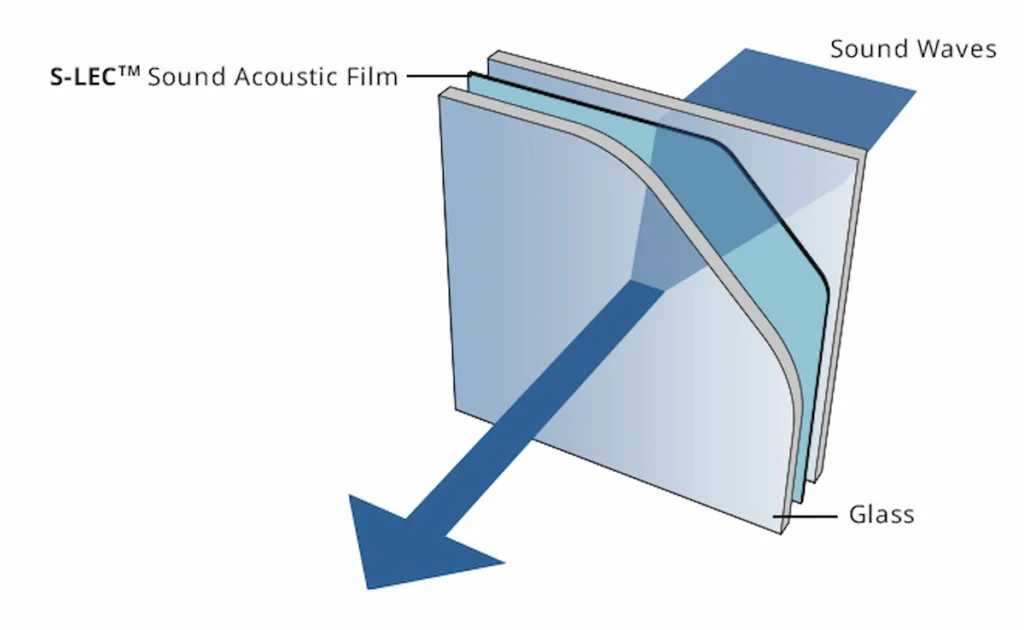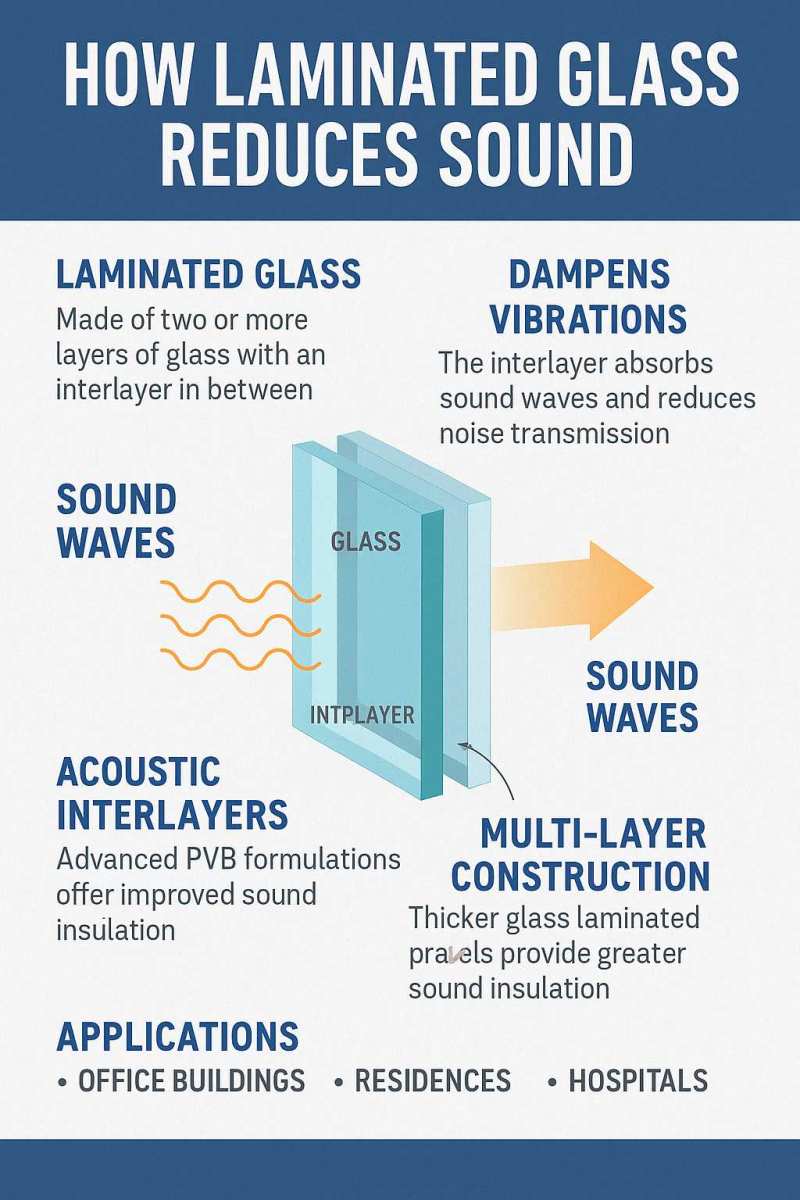
Yes, laminated glass can significantly reduce outside noise, creating a quieter and more peaceful indoor environment. Its unique construction helps dampen sound waves, making it an effective noise barrier compared to regular glass. Laminated glass is a popular choice for those living in noisy areas or seeking a more tranquil home. It works by sandwiching a layer of polyvinyl butyral (PVB) between two sheets of glass, which absorbs and dampens sound vibrations. If you’re tired of noise pollution disturbing your peace, understanding how laminated glass functions can help you make a smarter choice for your windows. Whether it’s traffic, neighbors,…
Author: Alex
A cracked laminated glass doesn’t automatically mean you need a full replacement, but ignoring the damage can lead to bigger issues down the line. The extent of the crack and its location play a big role in determining whether repair or replacement is necessary. In most cases, minor cracks can be repaired, but larger or more severe damages usually require a full replacement to ensure safety and maintain durability. Laminated glass, known for its safety features, typically needs replacement if the crack compromises its integrity or if the damage is extensive. However, small cracks might be repairable without replacing the…
Yes, laminated glass can block a significant portion of UV light. It’s designed to protect interiors from harmful ultraviolet rays while still letting in natural light. Laminated glass is a popular choice for windows and doors because of its dual benefits: safety and UV protection. If you’re wondering whether it keeps out ultraviolet rays, the answer is yes, but the extent depends on the type of interlayer used. Typically, the polyvinyl butyral (PVB) layer in laminated glass absorbs most UV rays, shielding furniture, artwork, and your skin from damage. This makes laminated glass an excellent option for spaces where UV…
Yes, laminated glass can significantly reduce sound transmission, making your home quieter and more peaceful. If you’re tired of noise from outside or between rooms, laminated glass could be the solution you’re looking for. Its layered structure absorbs and dampens sound waves more effectively than regular glass, providing a serene environment. Laminated glass acts as a sound barrier by incorporating one or more polyvinyl butyral (PVB) interlayers between glass panes, which helps in absorbing vibrations and reducing noise. This makes it an excellent choice for windows in noisy neighborhoods or for spaces where privacy and tranquility are priorities. While it’s…
Yes, laminated glass can help to block heat, but its effectiveness depends on its specific composition and design. It isn’t a total insulator, but it can reduce heat transfer, making indoor spaces cooler and more comfortable. Laminated glass isn’t just about safety and noise reduction—it’s also becoming a popular choice for energy efficiency in buildings. If you’re wondering whether it can keep heat out or retain it inside, you’re in the right place. This type of glass is designed with multiple layers, often including a clear vinyl sheet, which can help to reflect and absorb some of the sun’s heat.…
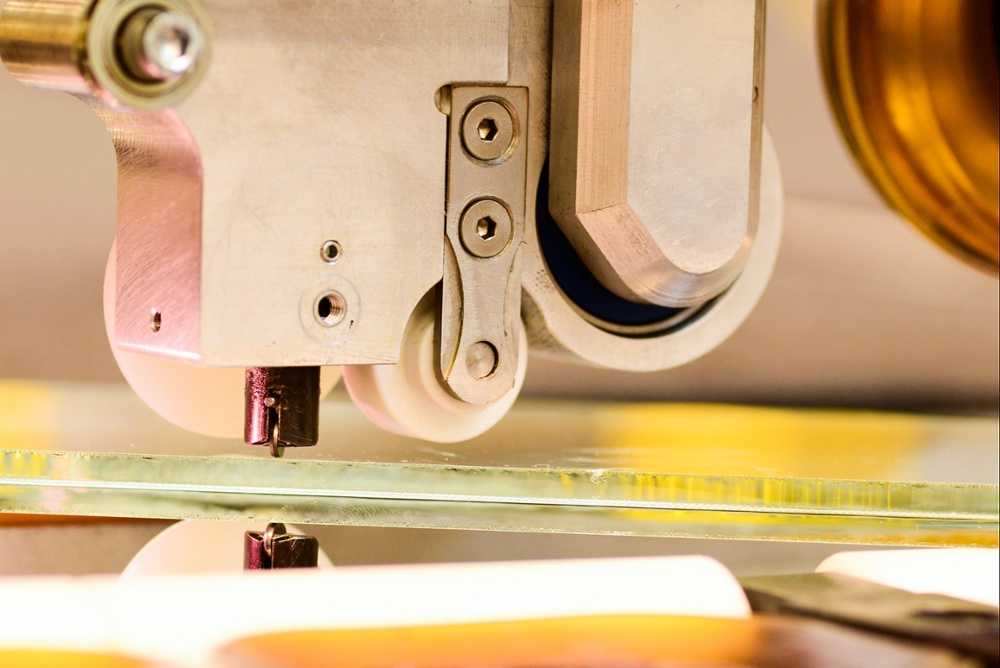
Yes, laminated glass can be cut, but it requires special techniques and safety precautions. It’s not as simple as cutting regular glass because of the acrylic interlayer that holds the glass together even when broken. Proper tools and methods are essential to achieve a clean cut without damaging the material or risking injury. Laminated glass can indeed be cut, but it’s a process that demands care and the right equipment. Unlike standard glass, it’s bonded with an interlayer, usually made of polyvinyl butyral (PVB), which makes cutting trickier. If you’re considering cutting laminated glass yourself, or hiring a professional, knowing…
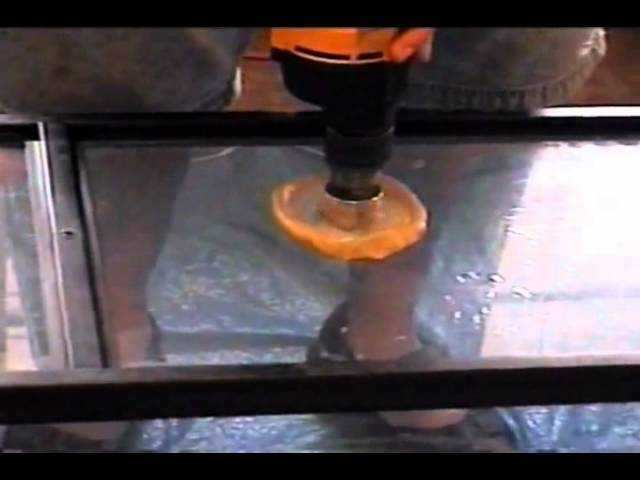
Yes, laminated glass can be drilled, but it requires careful handling and proper tools to avoid damage. Drilling laminated glass is possible, but it’s essential to follow specific procedures to ensure safety and maintain the integrity of the glass. Laminated glass can indeed be drilled, making it versatile for various installation needs, such as adding locks or handles. However, because of its layered structure and the use of polyvinyl butyral (PVB) interlayers, drilling must be done with precision and patience. Using the right equipment, like a specialized glass drill bit and applying proper cooling techniques, is crucial. Without proper technique,…
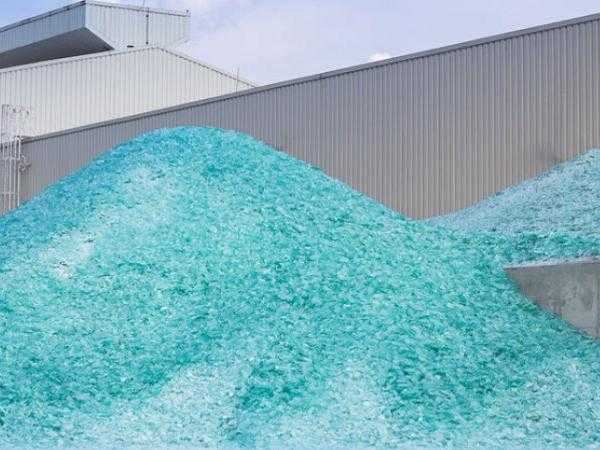
Yes, laminated glass can be recycled, but the process is more complex than recycling regular glass. It’s definitely possible, yet it requires specialized methods to separate the layers and safely handle the materials involved. Recycling laminated glass helps reduce waste and environmental impact, but not all recycling facilities are equipped to process it efficiently. Laminated glass is commonly used in car windshields and certain architectural applications because of its safety features. While recycling options do exist, they are often limited and depend on local facilities’ capabilities. Proper recycling not only conserves resources but also minimizes landfill use, making it an…
Yes, laminated glass can stop a bullet, especially when designed with multiple layers and a strong polycarbonate interlayer. However, its effectiveness depends on the caliber of the bullet and the thickness of the glass. Generally, laminated glass is used in security windows to provide a considerable level of protection against firearms. Laminated glass, made by bonding multiple glass layers with a durable plastic interlayer, is often thought to be an effective barrier against bullets. While it can stop some smaller calibers, it isn’t invincible and may not withstand high-velocity rounds or powerful weapons. Its primary purpose is to delay and…
Yes, laminated glass can help reduce heat transfer, but its effectiveness depends on its specific design. Laminated glass with special coatings or interlayers can block or reflect a significant portion of solar heat, making indoor spaces cooler and more energy-efficient. Laminated glass is often thought of mainly as a safety feature, but it also offers thermal benefits that can help in managing heat inside buildings. If you’re wondering whether it can truly stop heat, the answer is that it can contribute to heat reduction, especially when combined with other coatings or films designed for solar control. This makes laminated glass…