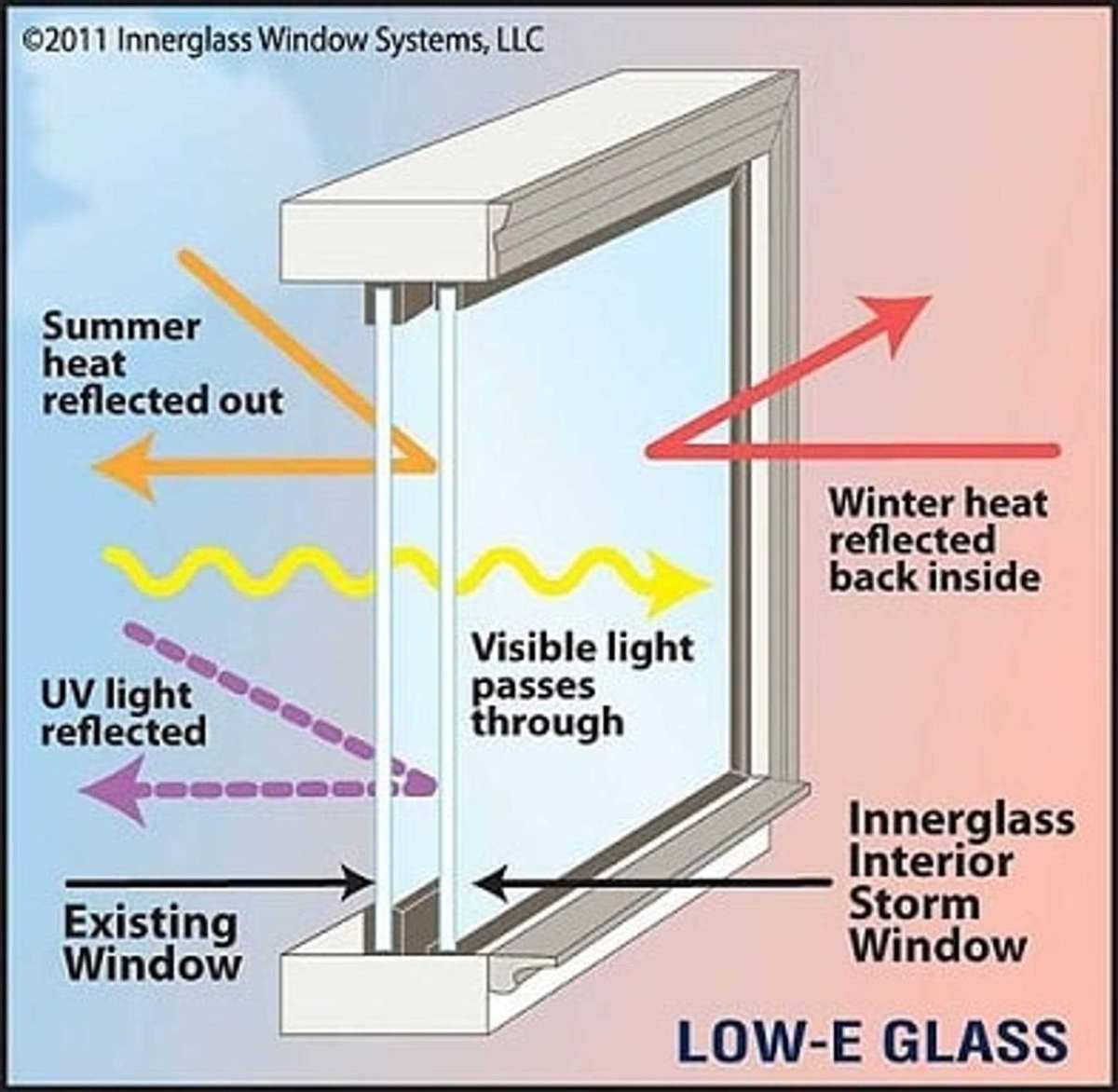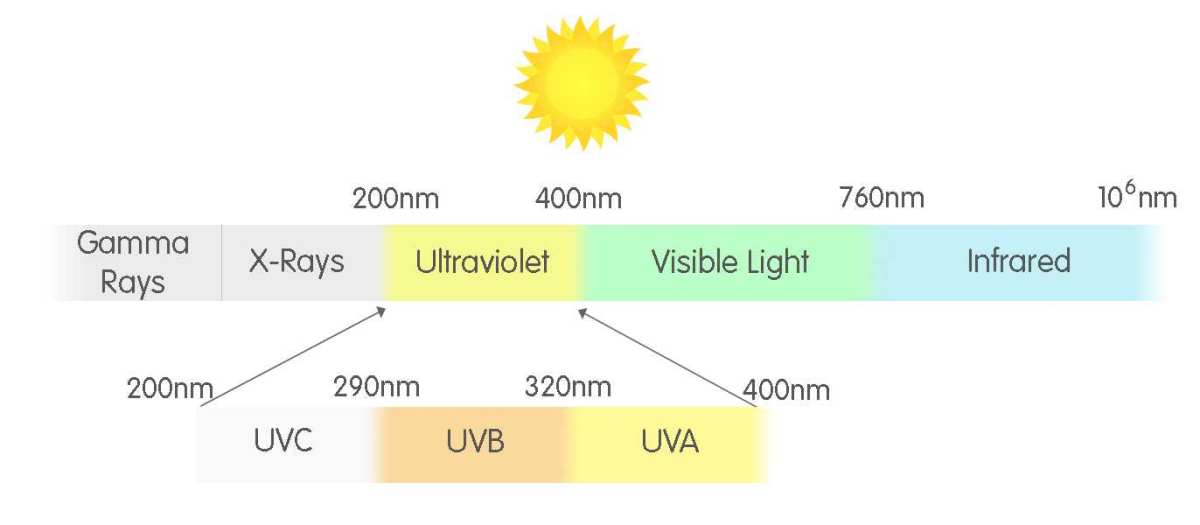
Yes, laminated glass can significantly reduce UV rays, offering better protection against harmful sun exposure. The layer of polyvinyl butyral (PVB) sandwiched between glass sheets blocks most ultraviolet radiation, making it a smart choice for windows and eyewear. Keep reading to discover how laminated glass works and whether it’s the right solution for your UV protection needs. Laminated glass is highly effective at blocking ultraviolet (UV) rays, which can cause skin damage and fading of interior furnishings. Its unique structure, with a special PVB layer, filters out a large percentage of UV radiation, providing you with safer and more comfortable…
Author: Alex
Yes, laminated glass can effectively reduce noise. Its unique structure makes it a popular choice for soundproofing windows and doors, providing a quieter indoor environment. Laminated glass significantly dampens sound waves, making it an excellent option for noise reduction. Its layered design helps absorb and block external noise, creating a more peaceful space inside. In this article, we’ll explore how laminated glass works to stop noise, its benefits compared to other materials, and practical tips for installing it effectively. Whether you’re looking to minimize street noise, improve your home’s tranquility, or enhance your office environment, understanding how laminated glass functions…
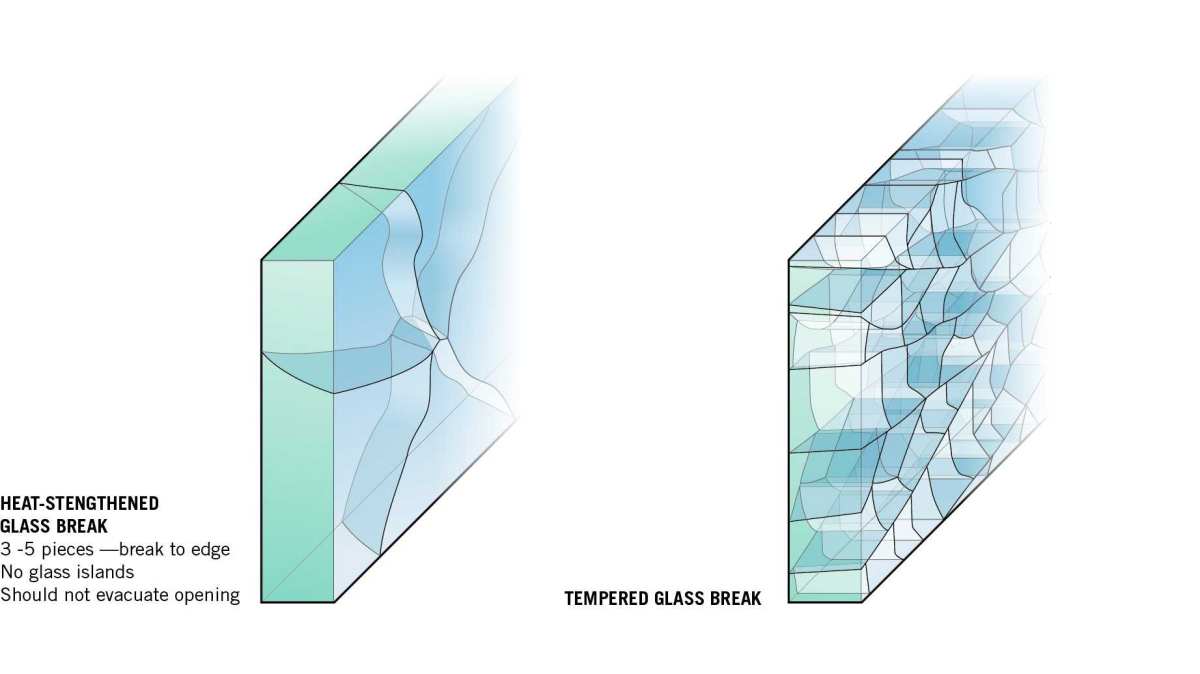
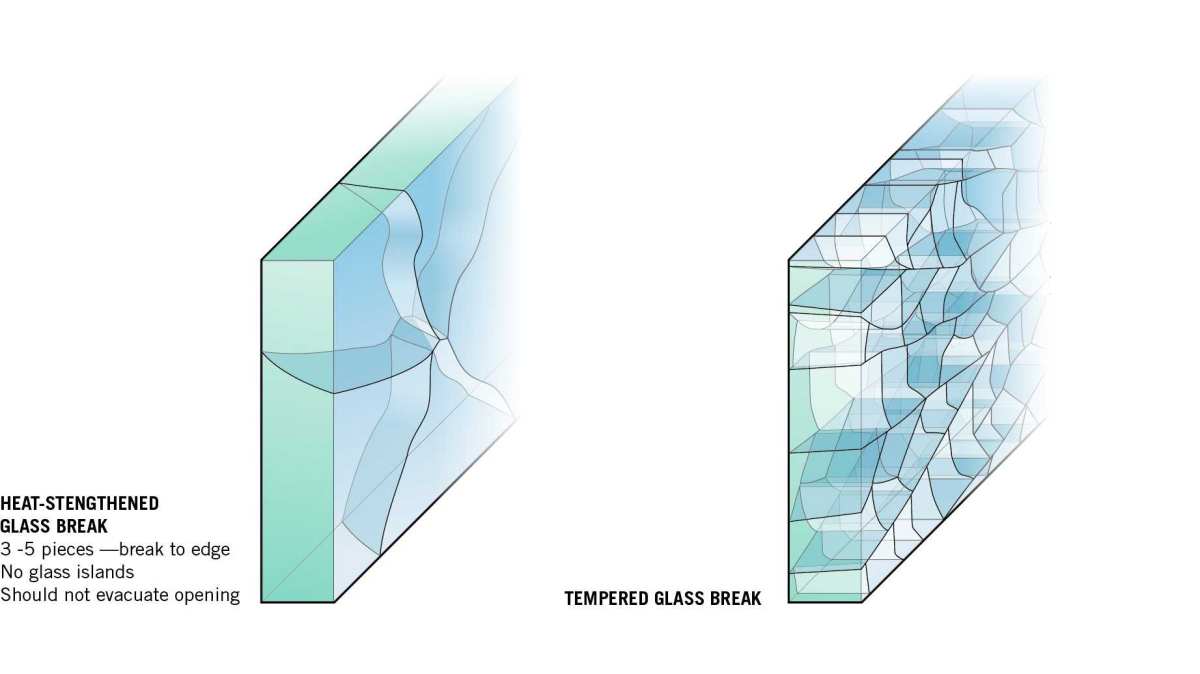
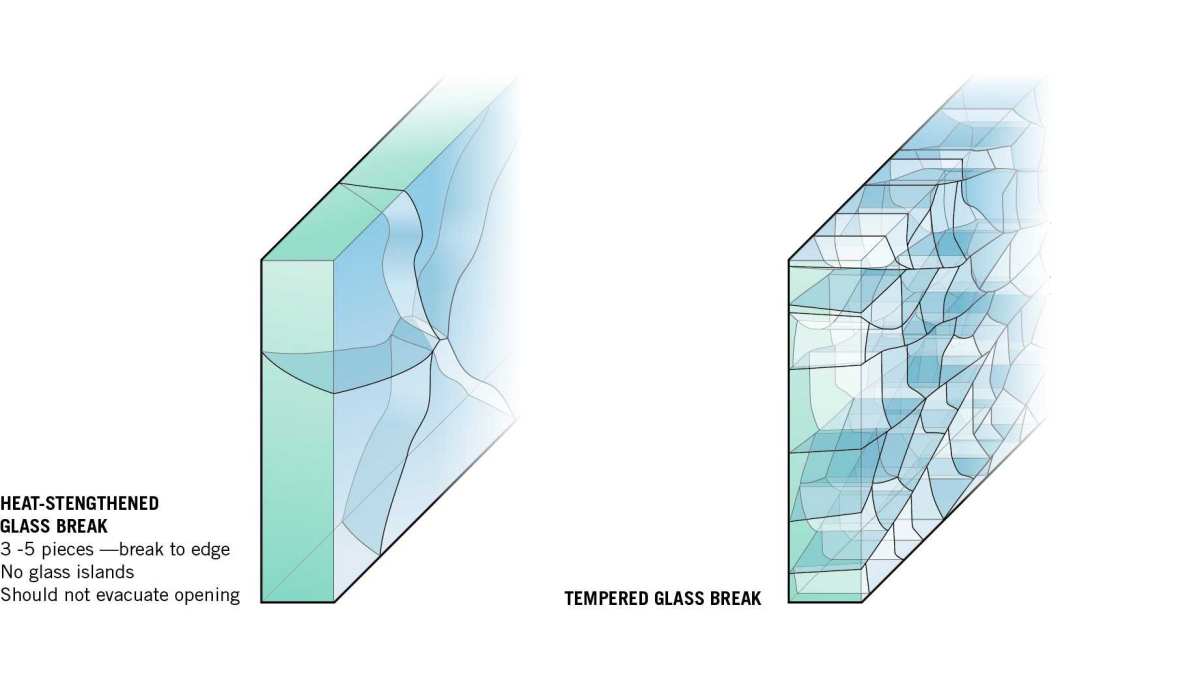
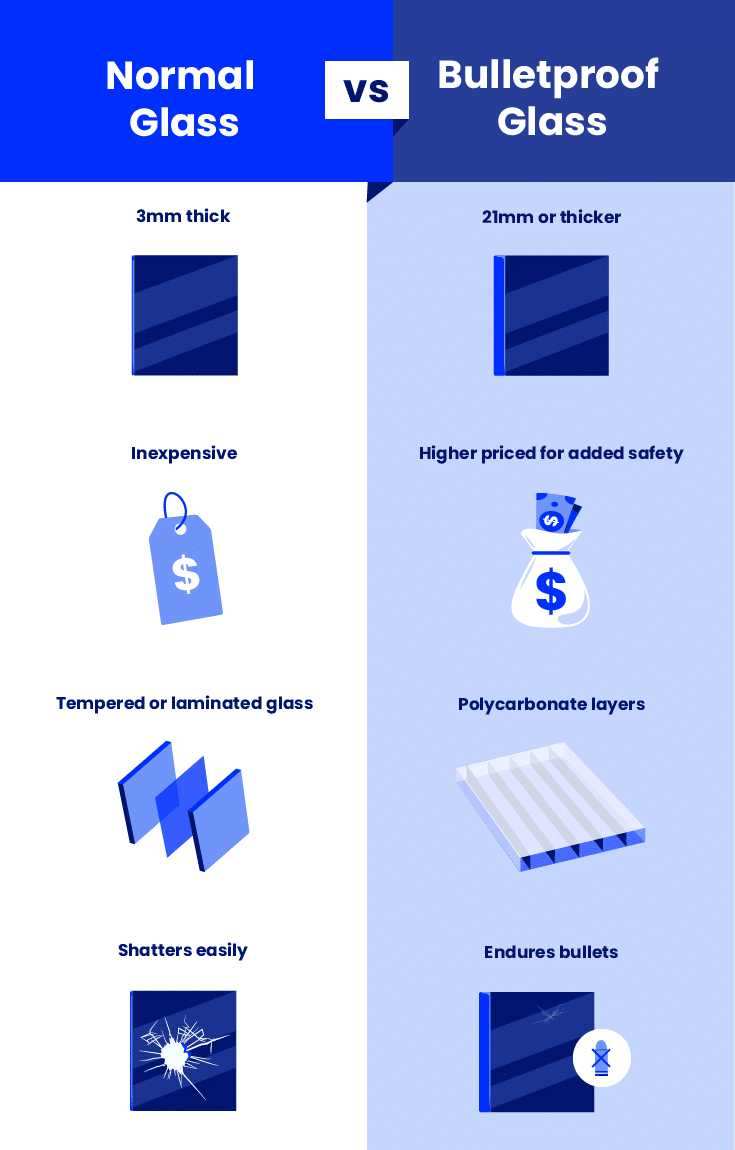
Laminated glass can indeed shatter, but it’s designed to hold together even when broken, making it safer than regular glass. If impacted strongly enough, it can crack or break completely, but it typically won’t shatter into dangerous shards due to the plastic interlayer. Overall, laminated glass offers a high level of safety while still being susceptible to damage under extreme force. Laminated glass can shatter, but it is less likely to do so spectacularly compared to traditional glass because the plastic layers hold the shards in place. It’s engineered to improve safety and security, yet under enough stress or impact,…
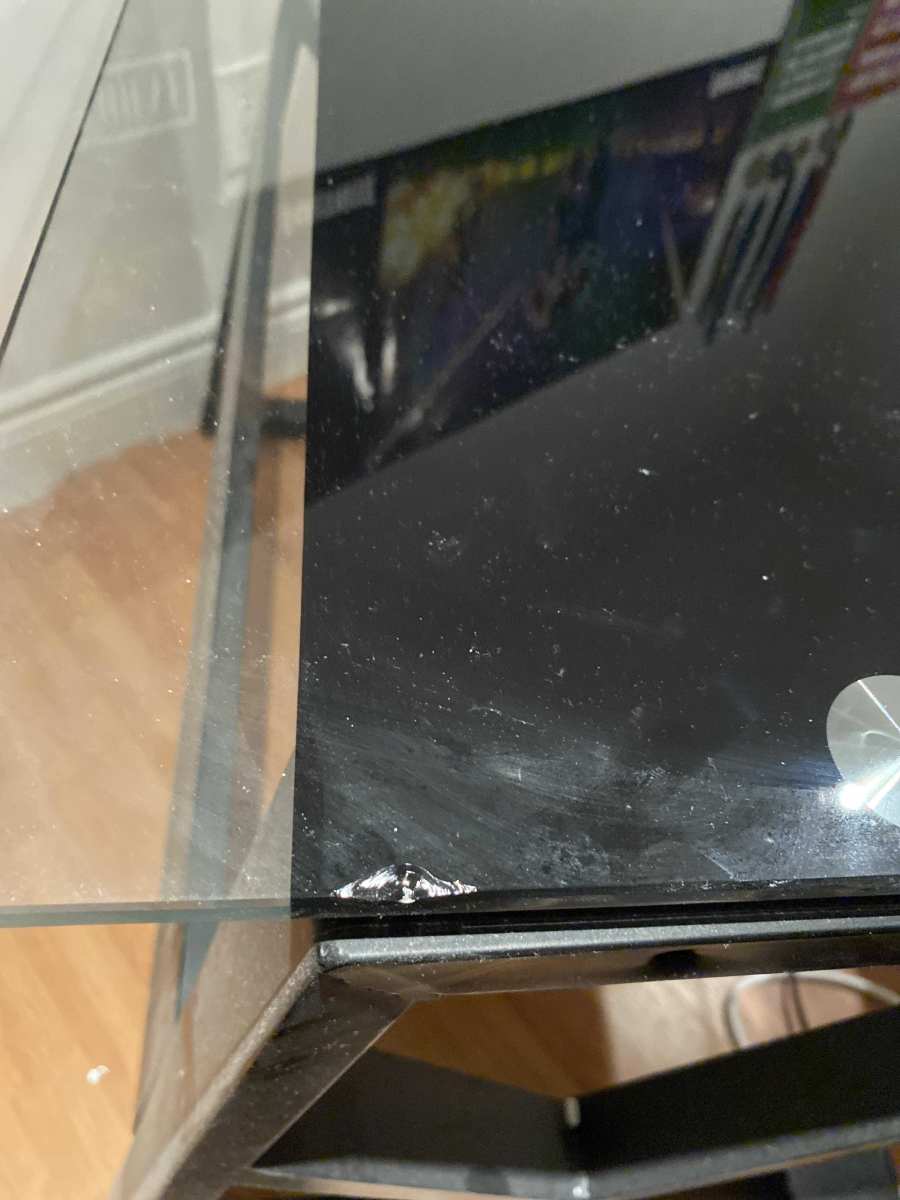
Yes, laminated glass can crack, but it’s designed to hold together even when damaged, providing added safety. If it does crack, it usually remains intact because of the interlayer, but the crack can compromise its strength and appearance. Laminated glass can indeed crack, but it’s built to minimize the risk of shattering and to contain damage better than ordinary glass. Cracks happen due to impacts, temperature changes, or stress, but thanks to the plastic interlayer, the glass often stays in one piece, offering safety and security. When a crack appears, it’s a sign that the glass has been compromised, and…
Yes, laminated glass can often be repaired, but whether it’s worth the effort depends on the extent of damage. Small chips or cracks might be fixable, saving you money and preserving the integrity of the glass. However, large or complex damage may require complete replacement for safety reasons. In short, laminated glass can sometimes be repaired, especially when the damage is minor, but extensive cracks usually mean you’ll need new panels. Repair options depend on the severity and location of the damage, so it’s important to assess each situation carefully. Repairing laminated glass is a practical choice for minor issues,…
Yes, laminated glass can break, but it behaves differently from regular glass. When shattered, laminated glass tends to hold together because of the plastic interlayer, making it less likely to create dangerous shards. This makes it a safer option for windows in homes and vehicles. Laminated glass can indeed break under enough force or stress, but its unique construction helps prevent complete shattering and reduces the risk of injury. It’s designed to break in a way that retains its integrity longer than standard glass, providing extra safety and security. If you’re wondering whether laminated glass is fragile or durable, the…
Laminated glass is like a superhero in the world of safety and security – it stays intact even when shattered. When a force hits it, the glass doesn’t just break apart into dangerous shards; instead, the layers stay bonded, holding everything together. This unique feature makes laminated glass perfect for windshields and safety windows, offering both protection and peace of mind. In simple terms, laminated glass works by sandwiching a tough polymer layer, usually polyvinyl butyral (PVB), between two sheets of glass. When struck, the glass may crack, but the polymer keeps the pieces glued together, preventing dangerous shards from…
Laminated glass is created by bonding multiple layers of glass with a durable plastic interlayer, usually polyvinyl butyral (PVB), under heat and pressure. This process results in a strong, safe, and shatter-resistant material that’s perfect for windows and windshields. In just a few steps, manufacturers carefully assemble the glass sheets with the plastic layer, then heat and press them in specialized equipment to fuse everything together seamlessly. The result is a resilient, transparent sheet that holds together even if broken, providing safety and security. Have you ever wondered how this impressive material is made? Laminated glass combines craftsmanship and technology…
Laminated glass is fundamentally safer because it holds shattered glass together, preventing dangerous shards from flying around and causing injuries. This unique property makes it an excellent choice for windows and doors in homes and cars alike. In brief, laminated glass is safer because it stays intact when broken, reducing the risk of cuts and injuries. It also offers better security and sound insulation, making it a popular choice for safety-conscious consumers. Imagine a weather event or an accidental impact—ordinary glass might shatter into dangerous pieces, but laminated glass remains largely in place, acting like a barrier that keeps you…
Laminated glass is essential in cars because it keeps passengers safe and protected. If you’re wondering why this type of glass is a standard feature, the answer lies in its superior ability to prevent dangerous shards from flying when the glass breaks and to provide better protection against impacts and theft. In short, laminated glass in cars is used primarily for safety and security reasons. It holds together even after significant impacts, reducing the risk of injury from shattered glass, and helps protect occupants from outside threats. Its durability also makes it an excellent barrier against UV rays and noise,…