Why Do Sunroofs Shatter? Causes, Recalls and What to Do
Senior Automotive Glass Diagnostic Specialist & Master Technician at CarGlassFix · AGSC Master Certified Auto Glass Technician, NGA Certified Installer, I-CAR Automotive Safety Specialist · 12+ Years in Automotive Glazing, Windshield Structural Bonding, ADAS Camera Calibration & Precision Chip Restoration
Most sunroofs are tempered glass, which holds strong internal stress. A rock chip, a damaged edge, a weak black ceramic border, a factory flaw or frame stress can release that stress, and the whole panel bursts at once. Transport Canada traces most breaks to impact damage, but several US recalls traced them to manufacturing faults.
Why sunroof glass shatters all at once
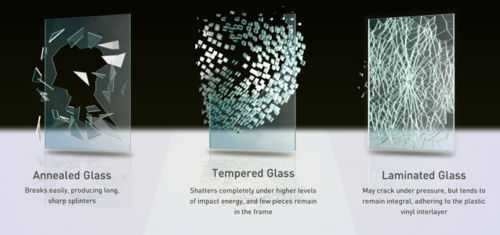
Sunroof glass shatters all at once because most roof panels are tempered glass, which stores energy inside it. Tempering cools the hot glass surface fast with air jets. The surface ends up squeezed in compression, and the core is pulled in tension. A 2017 review of strengthened glass by Stefan Karlsson of RISE puts the surface stress at about twice the core stress.
A flaw that reaches the tension zone releases that energy across the whole pane. The glass breaks into small pieces with dull edges instead of long shards. NHTSA’s Kia Sorento report says owners often compared the sound to a loud explosion or a gunshot. NHTSA’s lab found that the Sorento’s roof glass met the SAE and ANSI glazing standards, even though hundreds of those roofs had shattered.
Side windows use the same kind of glass and fail the same way. See why did my car side window shatter and what causes a rear windshield to shatter for those panels.
What NHTSA’s investigations found
NHTSA’s sunroof glass investigations since 2004 have ended in one of two ways. A probe ended in a recall when the automaker found a specific production fault. A probe closed without action when the only documented cause was road debris.
| NHTSA probe | Vehicle | Open to close | What it found |
|---|---|---|---|
| PE04-035 | 2004 Nissan Maxima | Apr to Jul 2004 | Supplier did not quench the glass properly. Recall 04V-326, 32,100 cars |
| PE05-052, EA06-001 | 2004 to 2006 Cadillac SRX | Sep 2005 to Dec 2006 | 17 complaints and 19 people injured. No defect found; GM blamed stone impacts |
| PE06-024 | 2005 to 2006 Scion tC | Jul to Dec 2006 | Shatter rates comparable to most similar cars. Closed |
| PE12-027 | 2012 Hyundai Veloster | Oct 2012 to Feb 2013 | A factory robot could hit the glass. Recalls 12V-568 and 13V-051 |
| PE13-035, EA14-002 | 2011 to 2013 Kia Sorento | Oct 2013 to Jan 2021 | 379 reports and 60 injuries. Closed; no defect trend found |
The Sorento probe was the largest. In April 2016, NHTSA ordered 13 automakers to report fractures of panoramic roofs over 0.5 square meters (5.4 sq ft). They reported more than 4,000 fractures across 97 models and about 10 million vehicles. NHTSA called the problem “not an uncommon occurrence,” and no crashes were reported. For the Sorento, it found no trend by region, season, build date or vehicle age. Most Sorento injuries were minor cuts, often suffered while cleaning up glass.
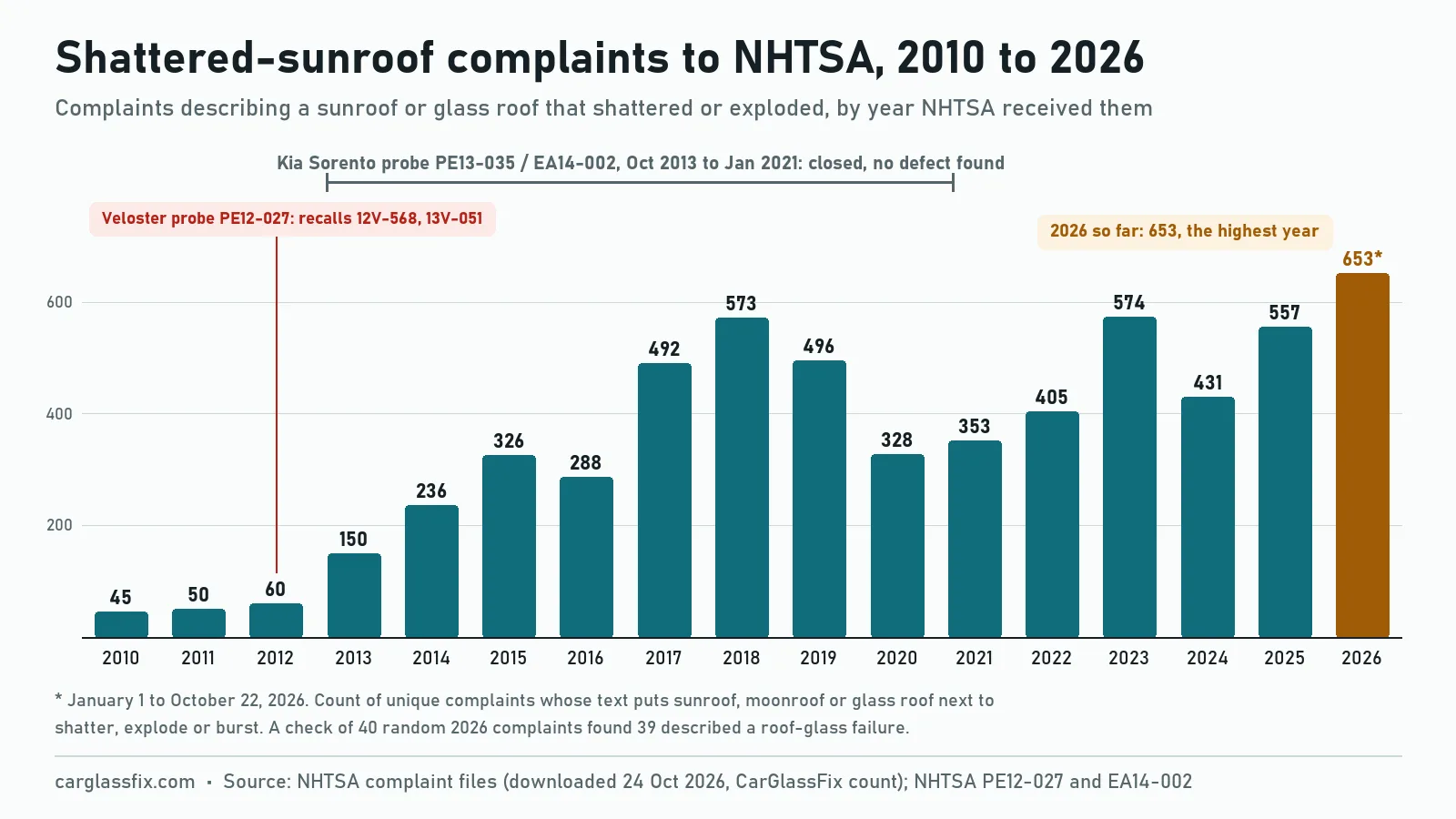
Complaints have not slowed. A CarGlassFix count of NHTSA’s complaint file found 653 shattered-sunroof complaints received from January 1 to October 22, 2026, more than in any full year since 2010. No new sunroof glass probe has opened since January 2021.
Six causes documented in recalls and studies
Six causes appear in official documents: impact damage, faulty tempering, damage during assembly, frame stress, the ceramic print and edge damage. The table names the document behind each one.
| Cause | What happens | Documented in |
|---|---|---|
| Impact damage | A stone breaks the glass at once, or leaves damage that fails later after a temperature shift or a jolt | Transport Canada advisory V 2021-01; NHTSA PE06-024; Kia and GM statements to NHTSA |
| Faulty tempering | Uneven or slow cooling leaves the wrong stress in the glass | Nissan recall 04V-326; Audi A8 recall 13V-448 (supplier slowed the cooling) |
| Damage during assembly | Contact at the factory weakens the glass, which breaks later | Hyundai recalls 12V-568 and 13V-051; Jaguar XJ recall 06V-018 (a bar touching the glass) |
| Frame stress and cold | A frame built out of tolerance adds stress, and a pothole in cold weather finishes the job | Volkswagen Beetle recall 14V-658; Audi Q5 recall 12V-299 (cold weather) |
| Ceramic print | The black enamel border weakens the tempered glass under it | KATRI tests, Korea, 2014 |
| Edge chips and scratches | A chip at the edge or a deep scratch grows into a break | Former PPG engineer Russ Corsi, quoted by Consumer Reports; Transport Canada |
Nickel sulfide is the cause most often named online. Karlsson’s review explains the mechanism. Tiny nickel sulfide stones trapped in the glass can grow 2 to 4 percent in volume after tempering and crack the glass from inside. Building-glass makers screen for them with a heat soak test, two hours at 290°C (554°F) under EN 14179. None of the NHTSA closing reports or sunroof recall reports reviewed for this article names nickel sulfide as a cause.
Why the black ceramic border is a weak spot
The black border on panoramic roofs can leave the glass under it weaker than untempered glass. The border is a ceramic enamel printed onto the glass. NHTSA’s Sorento report says the material is applied mainly for styling and to hide mounting hardware.
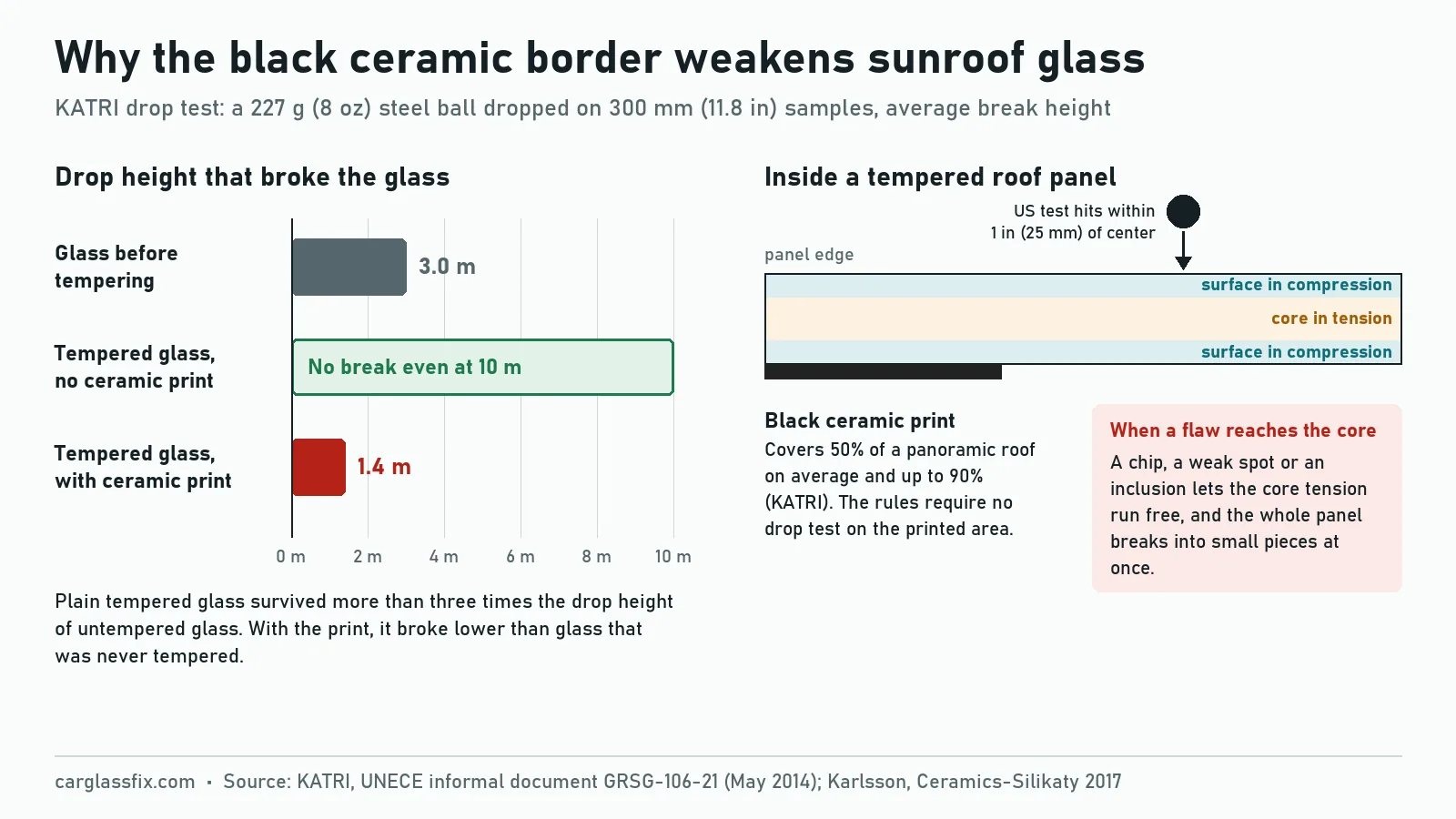
Korea’s vehicle test institute, KATRI, ran tests after Korean complaints rose from 2 in 2011 to 33 in 2013. It dropped a 227-gram (8 oz) steel ball on 300 mm (11.8 in) glass samples. Glass before tempering broke at an average height of 3.0 m (9.8 ft). Tempered glass without the print did not break at 10 m (32.8 ft). Tempered glass with the print broke at an average of 1.4 m (4.6 ft).
KATRI measured the print at 50 percent of a panoramic roof on average and up to 90 percent. It also noted that the rules require no drop test on the printed area, and that the US test strikes within 1 inch (25 mm) of the sample’s center. Korea presented the findings to the UN’s GRSG working party on vehicle safety in May 2014.
How laminated sunroofs differ
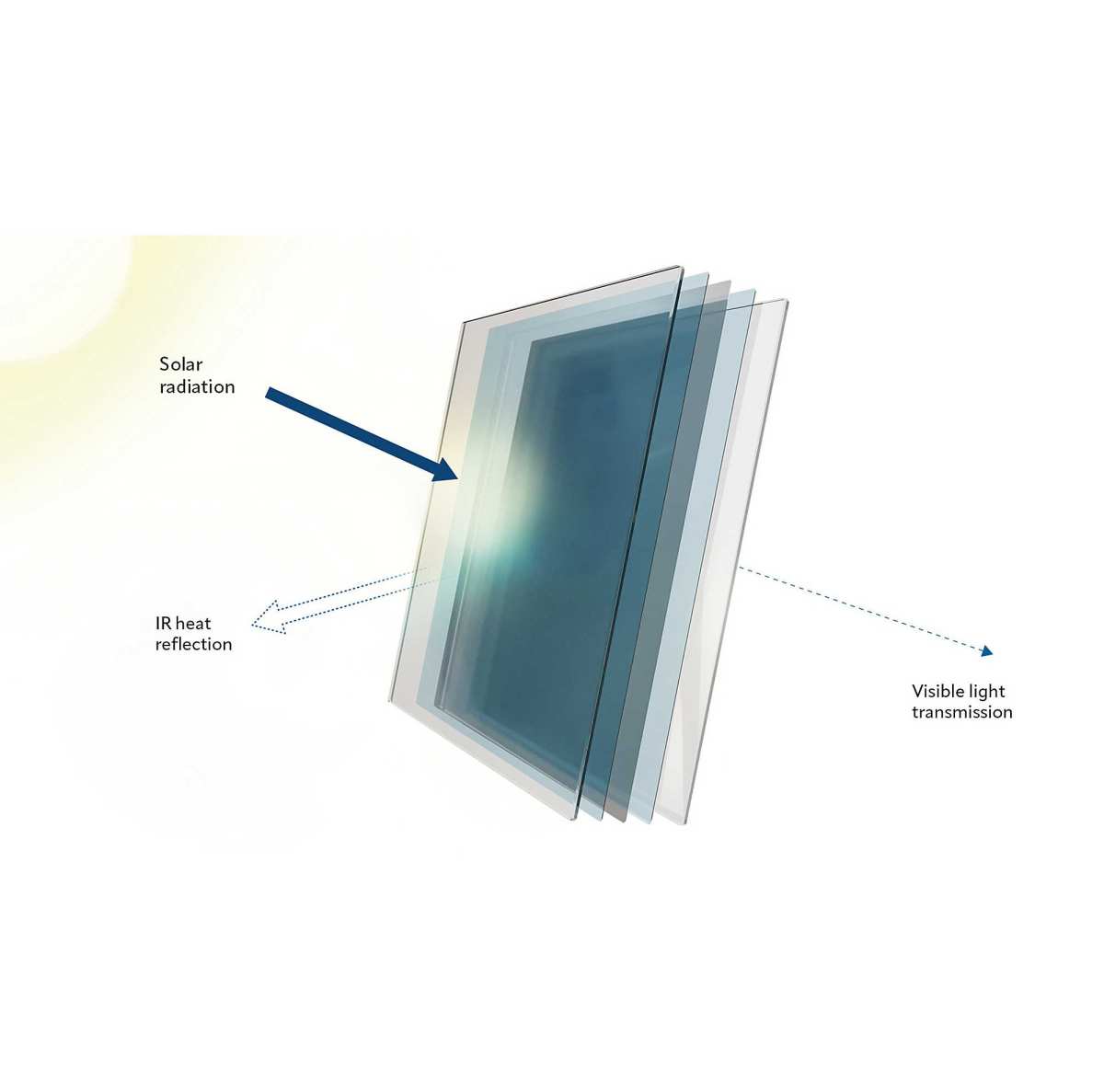
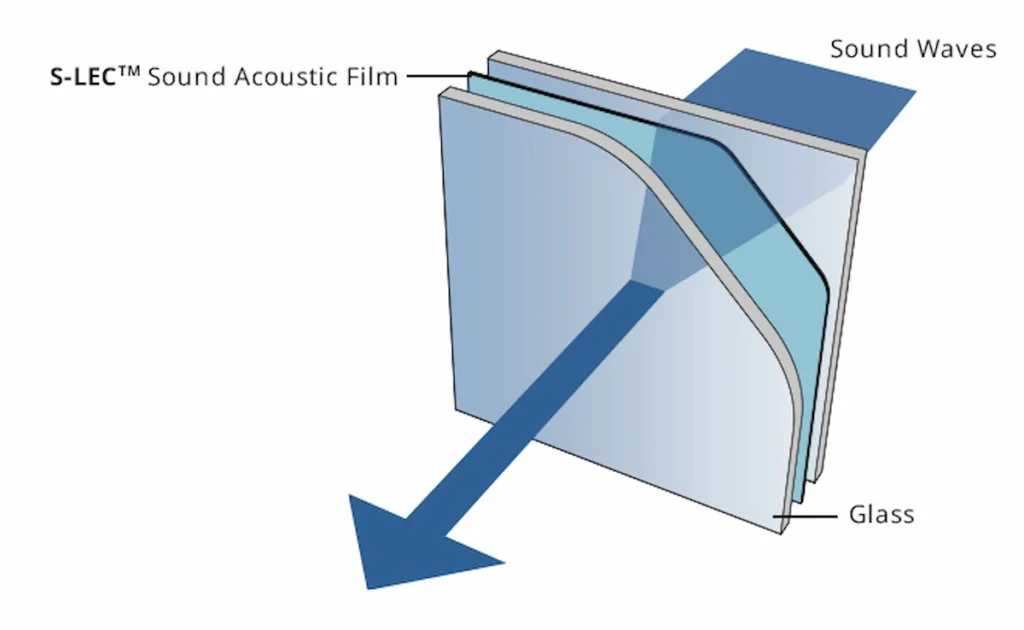
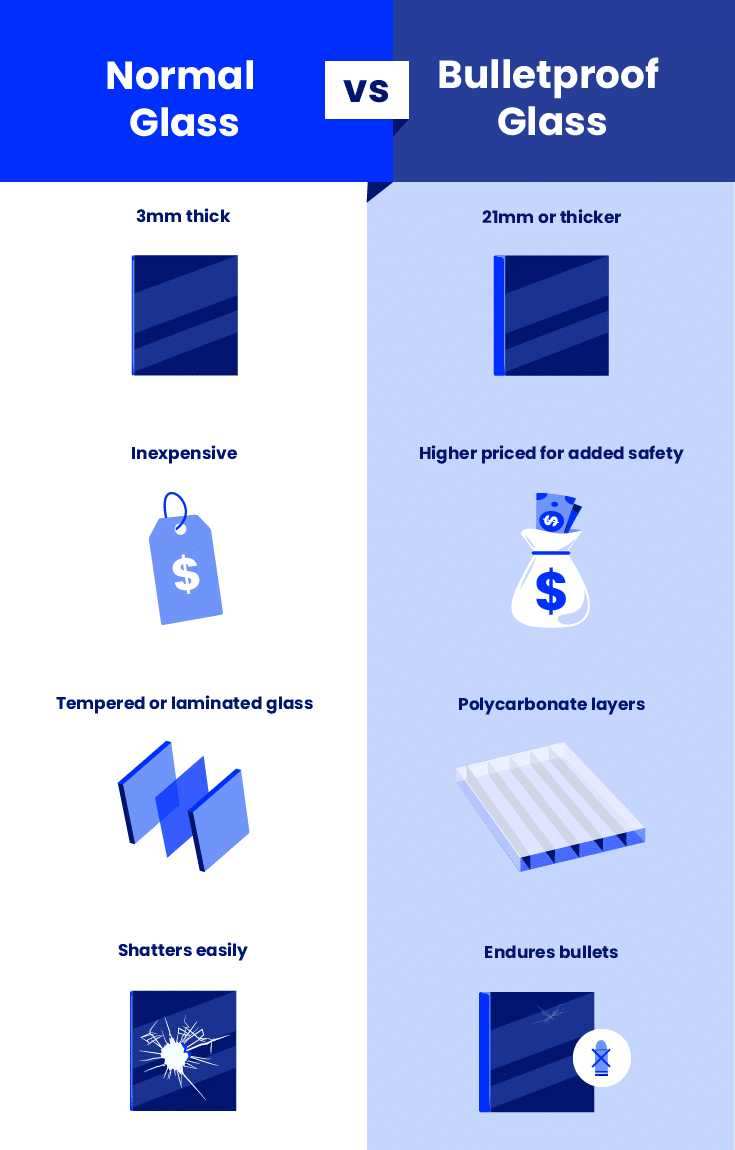
A laminated sunroof cracks but stays in place, while a tempered sunroof breaks apart. Laminated glass bonds two glass layers to a plastic interlayer, like a windshield. NHTSA’s Sorento report says major sunroof suppliers appear to be moving to laminated glass and polycarbonate for higher break strength. NHTSA expects the stronger retention to reduce occupant ejection through large roofs.
| Roof material | How it fails | Example in official records |
|---|---|---|
| Tempered glass | Breaks completely into small granular pieces that drop into the cabin unless the sunshade is closed | 2011 to 2013 Kia Sorento (EA14-002); 53 of 65 panoramic roof models in KATRI’s 2014 Korean survey |
| Laminated glass | Cracks, and the interlayer holds the pieces together | 12 of 65 models in the same survey, including the Volvo V40 and XC60 and the Honda Civic 5-door |
| Polycarbonate | A plastic panel bonded with adhesive; can detach if replaced with the wrong primer or adhesive | Mercedes-Benz front roof panels, recall 21V-197 (15,099 vehicles) |
You can check which type your car has. Consumer Reports advises asking the dealer and reports that laminated roof glass is usually stamped. FMVSS 205 requires safety glass to carry the markings set by ANSI/SAE Z26.1, so look at the printed label in a corner of the panel. For the full comparison, read laminated vs tempered glass and which cars have laminated glass.
What to do right after your sunroof shatters
Keep control of the car first and deal with the glass only after you stop. These steps follow Consumer Reports’ advice to owners and the injury pattern in NHTSA’s Sorento records.
What to do when your sunroof shatters
Keep control and pull over
Hold your lane, slow down and stop in a safe place. All the owners Consumer Reports spoke with avoided a crash.
Leave the sunshade closed
NHTSA’s Sorento report says a closed shade contained the glass. Clear it only after you stop.
Check everyone for glass
Look at hair, clothing and seats before anyone moves around.
Photograph and take notes
Record photos or video, plus the time, date, place, weather and any object found in or near the car.
Clean up with gloves
NHTSA found that most injuries were minor cuts during clean-up. Wear gloves and use a vacuum.
Cover the opening
Tape plastic sheeting over the hole to keep rain out until the glass is replaced.
Report it
File a complaint with NHTSA online or call its hotline at 888-327-4236. In Canada, call Transport Canada at 1-800-333-0510.
Keep the photos and notes until the dealer, the insurer and any recall check are finished. Transport Canada says its investigators may want to examine photos of a shattered sunroof. Tell the dealer and the automaker in writing as well. Consumer Reports found that some owners got a free repair after they complained, while others got a bill. For vacuuming tips, see how to clean broken glass out of a car.
How to check your VIN for a sunroof recall
Enter your 17-character VIN in NHTSA’s recall lookup at nhtsa.gov/recalls to see any open recall. The VIN is on the lower left of the windshield and on your registration card. The search shows unrepaired recalls from certain manufacturers.
The lookup has limits. NHTSA says it does not show recalls older than 15 years, unless the automaker offers longer coverage. It also skips recalls already repaired and recalls from small manufacturers. The Nissan, Scion and Jaguar sunroof recalls above are older than 15 years, so search those by NHTSA ID or by year, make and model.
Newer roof recalls are mostly about panels that may come loose. Subaru’s recall 26V-346 covers 69,663 Forester and Forester Hybrid vehicles from the 2026 model year whose sliding glass panel may be poorly bonded to its frame.
No open recall does not end the matter. NHTSA says it reviews every complaint, and similar reports from many owners can lead to an investigation. File a report even if the dealer blames a rock.
Repair, replacement and who pays
A shattered tempered sunroof cannot be repaired, so the glass panel has to be replaced. The procedure is covered in how to replace sunroof glass. Owners interviewed by Consumer Reports in 2017 reported bills of about $900 and $1,005.
Who pays depends on the cause and on your policy. A recall repair is free at the dealer. Outside a recall, Consumer Reports found little consistency in who pays, and Nissan told CR that owners should claim on their insurance. Some owners’ comprehensive or glass coverage paid after a deductible, and some policies did not. The general rules are explained in does insurance cover windshield replacement. Florida’s no-deductible rule in section 627.7288 applies to windshield damage, so ask your insurer how it treats roof glass.
Frequently asked questions
Is it common for a sunroof to shatter?
It is rare for any one car but common across the fleet. In NHTSA’s 2016 review, 13 automakers reported more than 4,000 fractures among about 10 million vehicles with large glass roofs. Transport Canada calls it quite a rare event, given the number of vehicles on the road.
Is there a recall for Toyota exploding sunroofs?
A keyword search of NHTSA’s recall files on October 24, 2026 found no Toyota or Lexus recall for breaking sunroof glass. The only Toyota-group case is recall 05V-483 for the glass wind deflector on the 2005 to 2006 Scion tC. Check your VIN anyway, because NHTSA adds recalls continuously.
Does insurance cover a shattered sunroof?
Often it does under comprehensive or glass coverage, after the deductible, but policies differ. Ask your insurer before the repair, and see how to file a windshield insurance claim for the claim steps.
Does window film stop a sunroof from shattering?
No. Transport Canada says there are no good ways to keep sunroof glass from breaking. It found that protective films can make large chunks of glass fall inside the car or fly off and hit other road users.
Can heat or cold make a sunroof shatter?
Temperature can finish off glass that is already weakened. Transport Canada says impact-damaged glass may break later after a temperature shift, and Audi’s 2012 Q5 recall covered roof glass that could break in extreme cold. NHTSA found no seasonal trend in the Sorento failures.
Sources
- NHTSA EA14-002 closing resume and report, Panoramic Glass Sunroof Breakage, 2011-2013 Kia Sorento (January 2021) (checked 24 October 2026)
- NHTSA PE12-027 closing resume, 2012 Hyundai Veloster (February 2013)
- NHTSA closing resumes: PE04-035, PE05-052, EA06-001, PE06-024, PE13-035
- NHTSA Part 573 recall reports: 12V-299 Audi Q5, 12V-568 Hyundai Veloster, 13V-448 Audi A8, 14V-658 Volkswagen Beetle
- NHTSA datasets: complaint, recall and investigation files (complaint files downloaded 24 October 2026; CarGlassFix keyword count)
- NHTSA: Check for recalls and NHTSA: Report a safety problem (checked 24 October 2026)
- Transport Canada, Vehicle Safety Advisory V 2021-01: Shattering Vehicle Sunroof (December 2021)
- KATRI, Defect Investigation on Panoramic Sunroof in Korea, UNECE informal document GRSG-106-21 (May 2014)
- Consumer Reports: Exploding Sunroofs, Danger Overhead (October 2017)
- Karlsson S., Spontaneous fracture in thermally strengthened glass, a review and outlook, Ceramics-Silikaty 61(3), 2017
- 49 CFR 571.205, FMVSS 205 Glazing materials (checked 24 October 2026)
- Florida Statutes section 627.7288 (checked 24 October 2026)

Similar Posts